
Mushrooms at a glance
Mushrooms, from simply cooked to richer dishes with butter, cream, cheese or pastry.
Lightly cooked, sautéed, browned, roasted, grilled, simmered in a sauce or battered and fried.

Richness
Butter, cream, cheese or pastry
Fat
Butter, oil, cream or frying
Acidity
Tomato, lemon, vinegar or pickles
Sweetness
Sauces or glazes may add some
Spice
Chilli adds heat
Umami
Especially browned or dried
Saltiness
Soy, miso or cheese raise it
- Texture
- Tender and juicy when lightly cooked; denser, meatier or crisp depending on variety and preparation.
- Cooking method
- Lightly cooked, sautéed, browned, roasted, grilled, simmered in a sauce or battered and fried.
- Dominant flavours
- Savoury umami, Earthy notes, Nutty flavours from browning, Delicate herbs or fruit-like notes in some varieties
Recommended styles for mushrooms
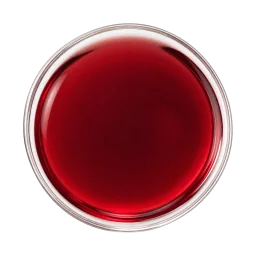
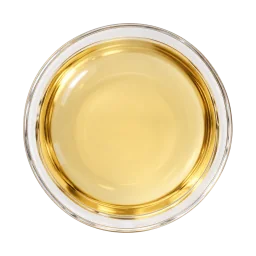
Fresh, gently tannic reds suit savoury mushrooms; choose a textured white when butter or cream leads.
-
Start with
★★★★★
Pinot Noir
Fresh red fruit · Acidity · Gentle tannins
Fresh red fruit, acidity and gentle tannins suit browned mushrooms without overwhelming their savoury flavour.
-
Also try
★★★★☆
Fresh or lightly oaked Chardonnay
Texture · Freshness
Its texture can meet butter, cream, pastry or cheese, while freshness helps the pairing finish cleanly.
-
Also try
★★★★☆
Gamay
Juicy fruit · Lively acidity · Usually modest tannins
Juicy fruit, lively acidity and usually modest tannins suit sautéed mushrooms, burgers and lighter herb-led dishes.
-
Also try
★★★★☆
Lightly Off-Dry Chenin Blanc
Acidity · Varied textures · Lightly off-dry
Its acidity and range of textures suit butter, pastry and creamy dishes; a lightly off-dry style can also soften chilli heat.
Introduction
Mushrooms can be delicate and juicy, or deeply savoury and browned. Their flavour often brings umami—the savoury taste found in foods such as mushrooms, stock and aged cheese—which can make some wines taste more bitter or less fruity.
The recipe matters as much as the mushroom. A lightly cooked button mushroom is different from a browned portobello, and a sauce or topping can change the match again. Start with the mushroom and its preparation, then check the finished dish for cream, tomato, soy, chilli, vinegar or other strong flavours.
Key Takeaways
- Pinot Noir is a flexible starting point for simply cooked or browned mushrooms.
- The mushroom’s texture and cooking method can shift the best match.
- Cream, butter and cheese usually call for freshness as well as enough body.
- Umami-rich mushrooms can make highly tannic reds seem harsher.
- Soy, miso, chilli, tomato and vinegar can matter more than the mushroom variety.
- For composed dishes, consider toppings, sauces and accompaniments as well as the mushrooms.
Understanding the Dish
Mushrooms contain plenty of moisture, so they can taste mild when steamed or crowded in a pan. Cook them until their moisture evaporates and they brown, and their flavour becomes more concentrated, savoury and sometimes pleasantly nutty. Dried porcini and shiitake can add intensity to stocks, sauces and fillings.
Their natural umami is the main challenge for wine. It can accentuate bitterness and astringency, so a very tannic red may feel rough beside a mushroom-heavy dish. Soft tannins, fresh fruit and acidity are safer starting points. Browning, salt, butter and cheese can make the food more generous and help a wine with a little more structure feel at home.
Cream and butter add richness, so a white with good acidity and some texture can refresh the palate while meeting the sauce’s weight. Garlic and herbs bring aromatic savouriness; lemon, vinegar or tomato add acidity, which can make a low-acid wine seem flat. Soy sauce and miso add salt and concentrated umami, while chilli heat can make alcohol feel hotter. Choose for the whole preparation rather than the mushroom name alone.
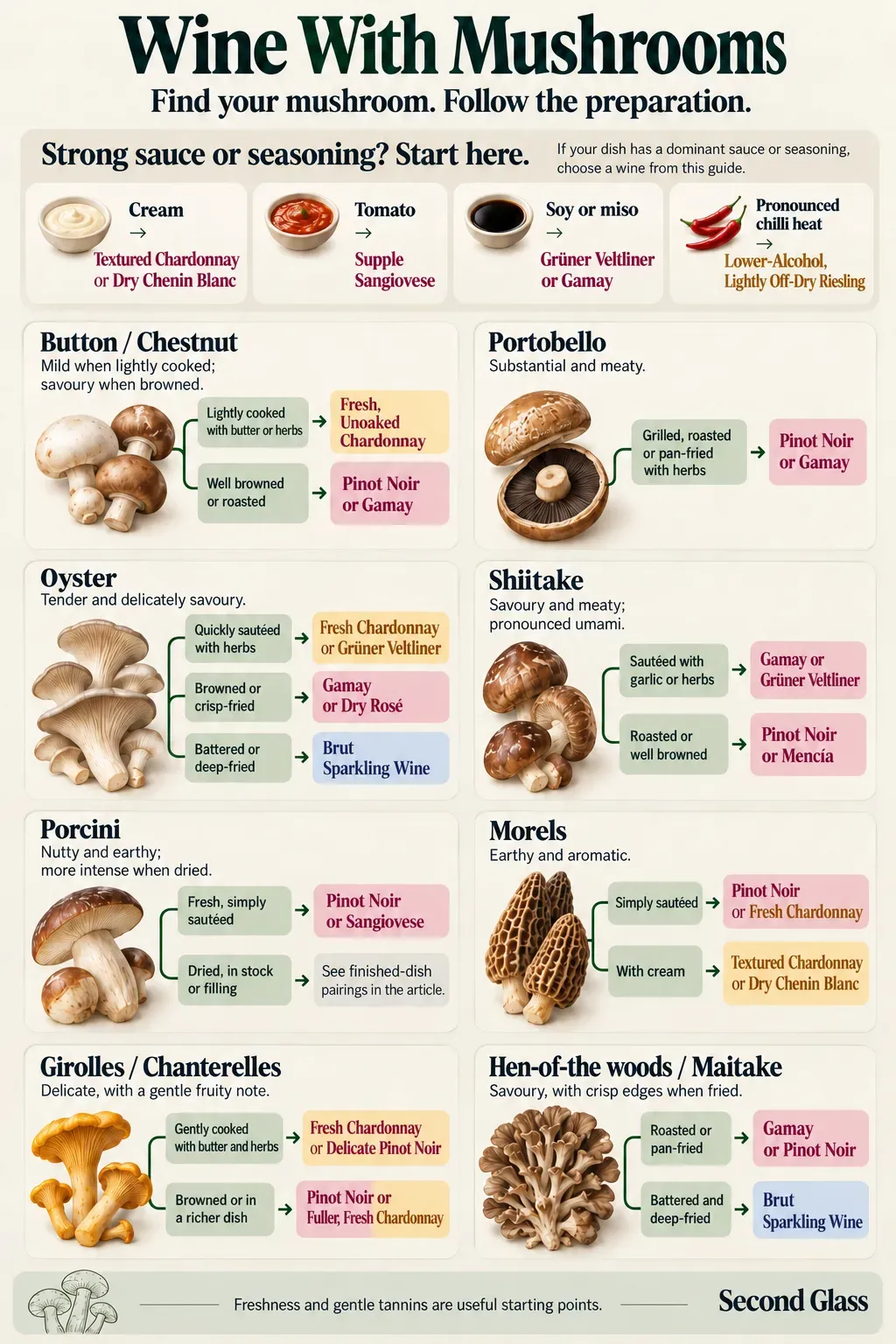
Choose by mushroom dish and preparation
Match wine body to the finished dish, its sauce and seasoning.
Why the pairing works for Mushrooms
Choose for the full preparation: favour fresh wines with restrained tannins for umami-rich mushrooms, then match body to the dish.
-
Umami-rich mushrooms Gentle or usually modest tannins
Mushrooms are high in umami, which can make firm tannins seem harsher; fresh fruit and gentle or usually modest tannins suit savoury mushrooms.
-
Butter, cream, pastry or cheese Texture and freshness
A wine with texture can meet butter, cream, pastry or cheese, while freshness helps the pairing finish cleanly.
- Acidity refreshes the palate alongside cream, butter and cheese.
- Lightly off-dry, lower-alcohol Riesling can soften pronounced chilli heat, even when the dish is not sweet.
- Brut sparkling wine brings freshness to crisp, rich fried mushrooms.
Regions and Styles to Explore
- Burgundy, France: Pinot Noir is a familiar match for earthy mushrooms; Chardonnay offers fresh to textured styles for butter, cream and pastry, including in the Mâconnais.
- Beaujolais, France: Gamay offers a fruit-forward, lighter red for sautéed mushrooms, burgers and simple pasta.
- Loire Valley, France: Chenin Blanc provides dry, fresh and fuller-textured options; lighter reds can also suit herb-led dishes.
- Bierzo and Ribeira Sacra, Spain: Both are useful places to explore fresh, balanced Mencía for savoury mushroom dishes.
- Tuscany, Italy: Sangiovese’s acidity suits mushrooms cooked with tomato or herbs.
- Piedmont, Italy: Nebbiolo is a regional choice with porcini, though its firm tannins are less forgiving.
- Jura, France: For deeply savoury mushrooms, especially with walnuts or aged cheese, try an oxidative Jura Savagnin if you enjoy nutty, savoury flavours.
- Rosé and sparkling: Dry rosé can suit grilled mushrooms and herb-led dishes. Brut traditional-method sparkling wine brings freshness to crisp-fried mushrooms, pâté on toast or rich pastry.
Wines to Approach Carefully
Very tannic reds, such as young, firmly structured Cabernet Sauvignon or Nebbiolo, can seem bitter or drying beside a dish dominated by mushrooms, especially if it has little salt, fat or protein to balance them. A rich, salty preparation may soften the contrast, but these are less forgiving choices.
Heavily oaked, high-alcohol wines can overwhelm delicate mushrooms and make creamy sauces feel heavier. Very light, neutral wines may disappear beside dried mushrooms, dark stock or intense browning. Strong vinegar or lemon can also make a soft, low-acid wine taste flat.
Buying Guide
These are typical online prices for a 750 ml bottle; retailer, vintage, offers and US state taxes can affect the final price.
Budget
UK: about £9–£14; US: about $10–$19. Look for fresh, uncomplicated Pinot Noir, Gamay, Chenin Blanc or Chardonnay with clear fruit and little obvious oak. This is enough for an everyday bottle with sautéed mushrooms, pasta or a simple sauce. Match body to the dish: lighter styles for simply cooked mushrooms, a little more concentration for a rich sauce.
Mid-range
UK: about £15–£29; US: about $20–$39. Explore a more distinctive Gamay or Pinot Noir, or a Chardonnay or Chenin Blanc with enough texture for cream. At this level, look for regional character or greater depth rather than assuming price alone guarantees a better match. Spend here when the wine is part of the occasion as well as the meal.
Premium
UK: about £30 and up; US: about $40 and up. A special wild-mushroom dish can justify a refined Pinot Noir; a rich tart, risotto or morel preparation may suit a complex Chardonnay. Higher prices do not guarantee a better pairing, so check that the wine has the freshness and weight the dish needs. Choose a bottle you would enjoy on its own too.
Start with the preparation
Start with a dry Pinot Noir if you are unsure, because its fresh fruit and gentle tannins suit many mushroom preparations. For creamy pasta, risotto or pie, try a Chardonnay or Chenin Blanc with good acidity. Taste the dish before adding extra lemon, cheese or seasoning, since these can change the pairing. Keep the wine’s weight close to the dish’s richness, and choose freshness over sheer power. For your first comparison, serve Pinot Noir and Chardonnay with the same mushroom dish and notice which feels more balanced.
How to Experiment
- Step 1 — Cook button or chestnut mushrooms with butter, salt and thyme, and set aside a small portion before adding cream or lemon.
- Step 2 — Pour a fresh Pinot Noir and a dry Chardonnay, ideally at the same time and in modest measures.
- Step 3 — Taste each wine on its own, then with the mushrooms; notice whether the fruit, acidity or texture becomes more or less apparent.
- Step 4 — Add a spoonful of cream or a squeeze of lemon to the remaining mushrooms and taste both wines again.
- Step 5 — Keep a note of which preparation suited each wine; use that preference to guide your next bottle.
Common Misconceptions
Mushrooms always need red wine
Whites can be excellent, especially when cream, butter or pastry is involved.
Earthy wine automatically pairs well
Earthiness can echo the dish, but tannin, alcohol and intensity still matter.
A more expensive bottle will pair better
Freshness, tannin and weight matter more than price.
All mushrooms taste the same
Mild button mushrooms, browned chestnut mushrooms, girolles and dried porcini bring different flavours and intensity.
Questions about mushroom wine pairing
What is the best wine with mushrooms?
Pinot Noir is the most flexible starting point because fresh fruit and gentle tannins suit many savoury mushroom dishes. Choose Chardonnay or Chenin Blanc when cream, butter or pastry is prominent, and adjust for the sauce and seasoning.
What wine goes with morels in cream?
Choose a textured white such as Chardonnay or dry Chenin Blanc. Their body can meet the sauce, while freshness helps balance its richness. Morels served without cream can also suit a supple Pinot Noir.
What wine goes with a mushroom burger?
For a grilled portobello cap, try Pinot Noir or Gamay. Tangy pickles or tomato favour a fresh style such as Gamay; sweet chilli sauce can point towards a lower-alcohol, lightly off-dry Riesling. A fried maitake burger can suit brut sparkling wine.
What wine goes with creamy mushroom pasta or risotto?
Try textured Chardonnay or dry Chenin Blanc. A supple Pinot Noir can work with a less-rich risotto or herb-led pasta; avoid a highly tannic red when mushrooms dominate.
What wine goes with pickled mushrooms?
Vinegar can make a soft, low-acid wine taste flat, so try a crisp white or sparkling wine. If the pickle is also noticeably sweet, a lightly off-dry Riesling is another option.
Can chilli mushrooms pair with off-dry wine if the dish is not sweet?
Yes. A lower-alcohol, lightly off-dry Riesling can soften chilli heat even when the dish has no sweetness. For red, choose a fresh, low-tannin style such as Gamay and keep alcohol moderate.
Does mushroom umami make wine taste different?
It can make a wine seem more bitter, drying or less fruity, particularly when it has firm tannins. Softer reds and fresh whites are often dependable choices; taste the complete dish with the wine.
Final Thoughts
Start with the mushroom’s texture and preparation, then let the sauce and finished dish refine the choice. Pinot Noir is a flexible first bottle; Chardonnay or Chenin Blanc are strong routes for cream and pastry. Try two styles with the same preparation and choose the one that feels most balanced.