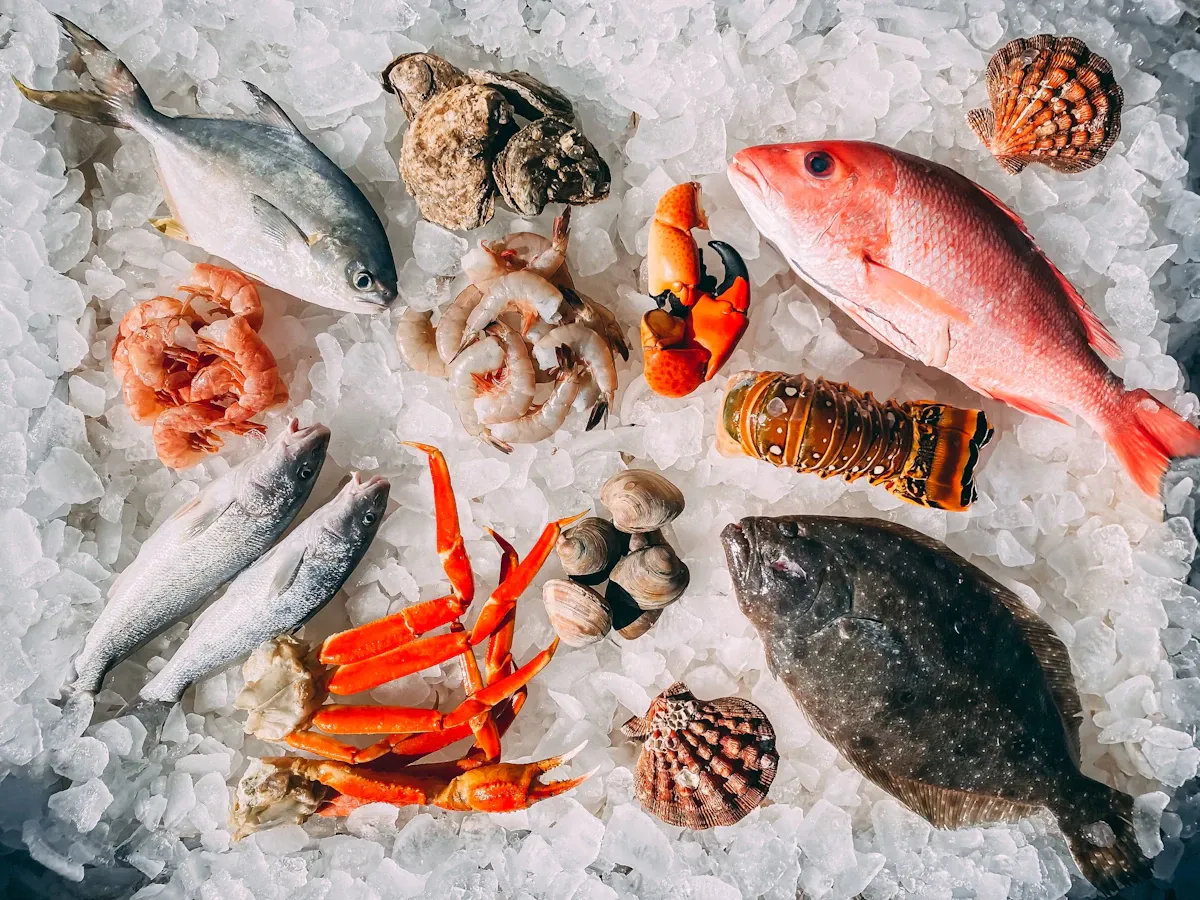
Quick answer
What to know first
The best wine with seafood is crisp, high-acid white wine, particularly Sauvignon Blanc or Albariño. Their freshness complements delicate seafood flavours without overpowering them. Chardonnay, Vermentino and Muscadet are also excellent choices depending on how the seafood is prepared.
Introduction
Seafood covers an enormous variety of dishes, from delicate oysters and grilled prawns to rich salmon, creamy seafood pasta and hearty fish stews. Because seafood varies so much in texture, richness and cooking method, there is no single perfect wine. Instead, the key is matching the wine to both the seafood itself and the way it is cooked.
Seafood can be grilled, baked, steamed, fried, poached or served raw, and each preparation changes what works in the glass. Sauces, herbs, butter, citrus and spices can be just as important as the seafood itself. Understanding a few simple pairing principles makes choosing the right wine straightforward.
Key Takeaways
- Match the wine to the cooking method as much as the seafood.
- High acidity is usually the most important characteristic.
- Delicate seafood prefers lighter wines.
- Rich fish such as salmon can handle fuller-bodied wines.
- Shellfish often pair beautifully with wines described as mineral-driven (a tasting term referring to freshness and subtle stony or coastal notes).
- Cream sauces require wines with both freshness and texture.
- Avoid heavily oaked or highly tannic wines with delicate seafood.
What Seafood brings to the glass
Seafood varies enormously in weight and texture, so preparation matters as much as the ingredient itself. Grilling, frying, sauces, citrus and spice can all change the ideal wine, which is why the pairing strategy below focuses on the complete dish rather than seafood alone.
Best overall wines for Seafood
Albariño / Alvarinho
★★★★★
RegionsRías Baixas, Monção e Melgaço, Vinho Verde
Bright citrus acidity, peach fruit and subtle saline character complement almost every seafood preparation.
Sauvignon Blanc
★★★★★
RegionsLoire Valley, Marlborough, South Africa
Lively acidity and herbal freshness enhance shellfish, white fish and seafood with lemon or herbs.
Chablis
★★★★★
RegionsChablis, Burgundy, France
Its crisp, restrained Chardonnay profile complements oysters, scallops and simply prepared seafood.
Vermentino
★★★★☆
RegionsLiguria, Sardinia, Corsica
Herbal citrus flavours and bright acidity suit grilled Mediterranean seafood.
Muscadet
★★★★☆
RegionsLoire Valley, Muscadet Sèvre-et-Maine, France
Light body and refreshing acidity make it a classic match for oysters and shellfish.
Brut Champagne
★★★★☆
RegionsChampagne, France, Traditional Method Sparkling
Fine bubbles and high acidity cleanse the palate with fried seafood, oysters and sashimi.
Why these wines work with Seafood
Dominant strategy
Match the weight of the wine to the richness of the seafood while using bright acidity to preserve freshness.
Supporting principles
- High acidity balances richness and refreshes the palate.
- Avoid excessive tannin with delicate seafood, especially shellfish.
Find the Right Wine for Your Seafood
Choose the seafood or preparation first. Begin with the first wine, then try the second to explore a different expression of the pairing.
If you're havingOysters
Explore
If you're havingPrawns
Explore
If you're havingCrab
Explore
If you're havingScallops
Explore
If you're havingWhite fish
Explore
If you're havingSalmon
Explore
If you're havingTuna
Explore
If you're havingLobster
Explore
If you're havingFried seafood
Explore
If you're havingSeafood pasta
Explore
If you're havingSpicy seafood
Explore
If you're havingSushi or raw fish
Explore
Successful seafood pairings are built around acidity, weight and intensity. Wines with bright acidity refresh the palate and help balance richer preparations, while lighter-bodied wines allow delicate fish and shellfish to remain the focus. Fuller seafood dishes, such as salmon, lobster or creamy pasta, can support wines with more body and texture.
Tannin and alcohol also matter. Highly tannic wines can overpower delicate seafood and may create an unpleasant metallic impression with some shellfish, while high alcohol can make chilli heat feel more intense. This is why crisp whites, sparkling wines, rosé and lighter reds are often more versatile seafood partners.
Flavour can work through either complement or contrast. Citrus, herbs and fresh coastal or mineral impressions can echo similar qualities in a dish, while sparkling wine provides a refreshing contrast to fried seafood and a touch of sweetness can soften the heat of spicy preparations.
The simplest rule is to match the wine to the whole dish, not just the seafood: consider the cooking method, sauce and richness, then choose a wine with enough freshness and structure to keep everything in balance.
Classic Pairings
White Wine
Albariño, Sauvignon Blanc, Chablis, Vermentino, Muscadet and Pinot Grigio remain the most reliable options for most seafood dishes because of their freshness and bright acidity.
Red Wine
Light Pinot Noir, Gamay and chilled Frappato pair surprisingly well with tuna, salmon and tomato-based seafood dishes where heavier reds would overwhelm.
Rosé
Dry Provence-style rosé is excellent with grilled prawns, seafood salads and Mediterranean cooking thanks to its crisp fruit and refreshing structure.
Sparkling Wine
Champagne and quality traditional method sparkling wines pair exceptionally well with oysters, fried seafood, sushi and seafood canapés because their bubbles refresh the palate.
Sweet Wine
Off-dry Riesling is an excellent match for spicy prawn curries, Thai seafood dishes and sweet chilli sauces where a touch of sweetness balances heat.
Alternative Pairings
If you enjoy exploring beyond the classics, several less obvious wines perform exceptionally well with seafood.
Assyrtiko offers striking freshness and vibrant acidity that shines with oysters and octopus. Grüner Veltliner complements seafood featuring herbs and vegetables with its citrus and white pepper notes. Chenin Blanc provides additional texture for richer shellfish dishes, while Fino Sherry is outstanding with salted seafood, tapas and fried fish thanks to its savoury, saline character.
Best grapes for Seafood
| Grape | Why it works | Flavour match |
|---|---|---|
| Albariño / Alvarinho | Exceptional freshness with seafood across a wide range of cooking methods. | Citrus, peach and saline freshness. |
| Sauvignon Blanc | Bright acidity complements shellfish and herb-based dishes. | Gooseberry, citrus and herbs. |
| Chardonnay | Unoaked or lightly oaked styles match richer seafood and creamy sauces. | Apple, lemon and subtle toast. |
| Riesling | Dry styles suit delicate seafood while off-dry wines balance spicy dishes. | Lime, apple and floral notes. |
| Vermentino | Mediterranean freshness pairs naturally with grilled seafood. | Citrus, herbs and coastal freshness. |
| Grüner Veltliner | Combines freshness with subtle spice. | Lemon, white pepper and green apple. |
| Chenin Blanc | Acidity and texture complement richer shellfish. | Apple, quince and honeyed citrus. |
Best Regions
Several wine regions have developed naturally alongside seafood cuisine.
Rías Baixas in north-west Spain produces Albariño specifically suited to Atlantic shellfish, while Monção e Melgaço in Portugal produces Alvarinho with similar qualities. The Loire Valley excels with Muscadet and Sauvignon Blanc for oysters and river fish. Chablis offers precise Chardonnay perfect for delicate seafood. Santorini's Assyrtiko complements grilled fish and octopus, while coastal Italian regions such as Liguria, Sardinia and Corsica produce Vermentino that pairs naturally with Mediterranean seafood.
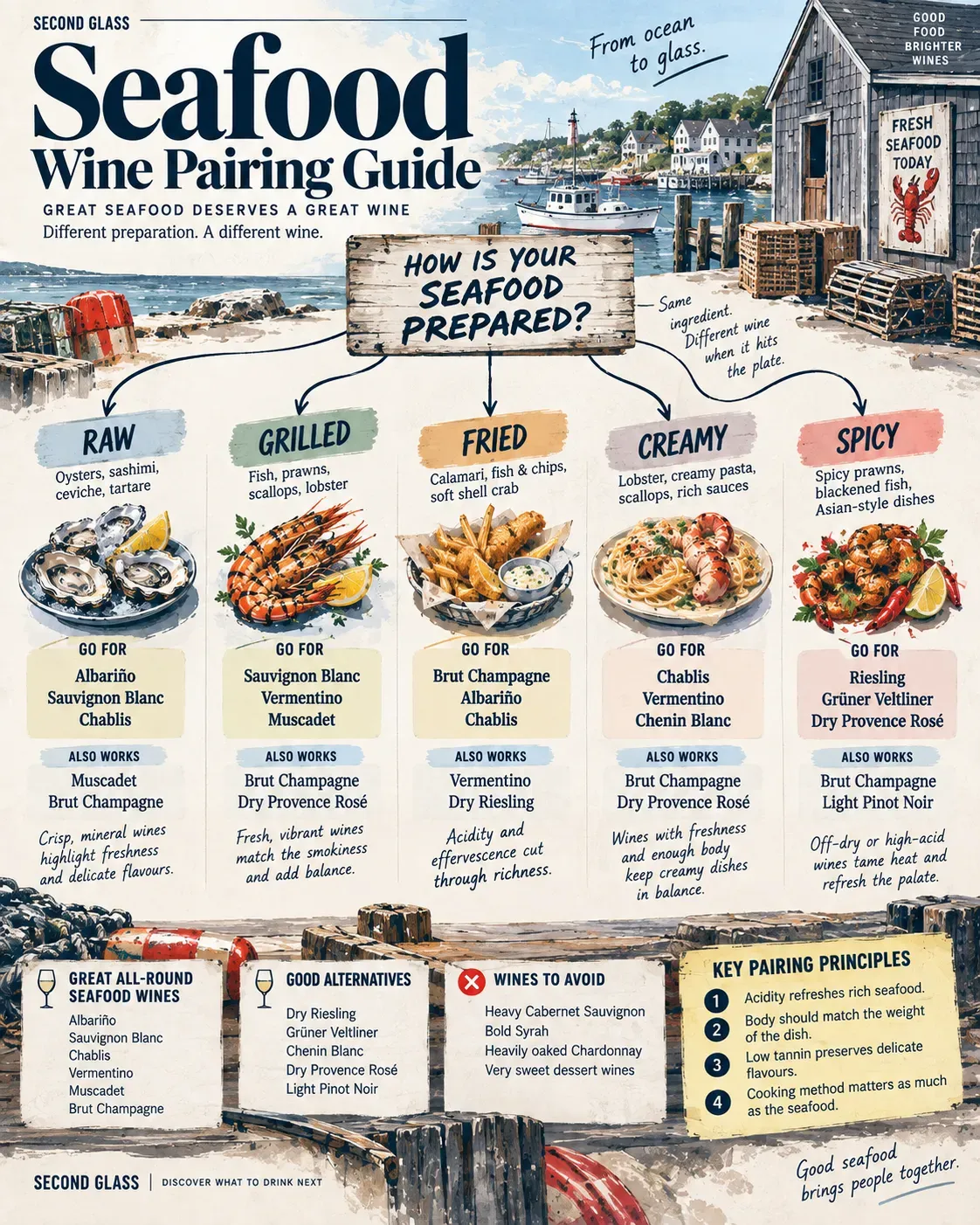
Wine Pairings by Seafood Preparation
Grilled Seafood
Grilling introduces smoke, char and slight caramelisation, which adds depth and a subtle bitterness to seafood. This means the wine needs enough freshness to cut through those flavours while still complementing the natural sweetness of the fish or shellfish. Albariño is particularly effective because its citrus acidity and saline notes mirror coastal flavours, while Vermentino adds herbal complexity that works well with Mediterranean-style grilling. Sauvignon Blanc, especially from cooler climates (like Sancerre), brings bright acidity and green notes that pair beautifully with grilled prawns, scallops and white fish. If the seafood is marinated with garlic, lemon or herbs, these wines enhance those flavours without overpowering them.
Fried Seafood
Fried seafood introduces richness, oil and a crisp coating, which can quickly overwhelm heavier wines. The key here is acidity and, ideally, effervescence. Sparkling wines such as Champagne or high-quality traditional method sparkling wines are excellent because their bubbles cleanse the palate after each bite, preventing the dish from feeling greasy. Muscadet from Loire Valley is another classic choice, offering light body, sharp acidity and mineral character that cuts through fried batter while complementing shellfish like oysters and mussels. Even simple fish and chips benefit from these wines, as they refresh the palate and highlight the delicate flavour of the fish beneath the coating.
Seafood Pasta
Seafood pasta varies widely depending on the sauce, making it important to match the wine accordingly. Cream-based sauces, such as those found in prawn or scallop pasta, require wines with both acidity and body. Chardonnay, particularly lightly oaked styles, provides enough richness to match the cream while maintaining balance. Chenin Blanc also works well due to its combination of texture and freshness. For tomato-based seafood pasta, the acidity of the sauce calls for wines that can match it without clashing. Dry rosé offers bright fruit and refreshing acidity, while light reds like Pinot Noir provide subtle tannins and red fruit that complement tomato without overpowering the seafood.
Seafood Curry
Seafood curries often include spices, chilli heat and aromatic ingredients such as coconut, ginger and lemongrass. These elements can easily overwhelm dry, high-alcohol wines. Off-dry Riesling is one of the best choices because its slight sweetness balances spice while its acidity keeps the pairing fresh. Gewürztraminer, with its aromatic profile of lychee, rose and spice, complements the fragrant nature of many curries. Lower alcohol levels are also beneficial, as they prevent the heat from being amplified. These wines allow the complexity of the curry to shine while still supporting the delicate seafood.
Raw Seafood and Sushi
Raw seafood and sushi rely on purity, freshness and subtle flavour, so the wine must be equally refined. Sauvignon Blanc and Chablis are excellent choices due to their clean profiles, high acidity and mineral character, which enhance rather than mask delicate textures. Champagne and other sparkling wines add an extra dimension, with bubbles that cleanse the palate and highlight the freshness of the fish. Dry Riesling also works well, offering precision and a slight fruitiness that complements sushi rice and soy-based accompaniments. The goal is to maintain balance and clarity, ensuring the wine supports the natural flavours without dominating them.
Buttery Lobster
Lobster served with butter or rich sauces is one of the few seafood dishes that can handle a fuller-bodied wine. A well-made Chardonnay, particularly from regions like Burgundy or cooler New World areas, provides the ideal balance of richness and acidity. Light oak ageing can add subtle vanilla and toast notes that complement the buttery texture, while the wine’s acidity prevents the pairing from becoming heavy. The combination creates a luxurious, harmonious experience where both the wine and the lobster enhance each other without overwhelming the palate.
Wines To Avoid & Common Mistakes
The biggest mistake is assuming every seafood dish needs the lightest possible white wine. Delicate fish and shellfish certainly benefit from freshness, but richer seafood such as salmon, tuna and lobster can support fuller-bodied whites and, in some preparations, light reds.
Very tannic reds such as Cabernet Sauvignon and powerful Syrah are usually poor choices for delicate seafood. Their tannin and intensity can overpower subtle flavours and may create an unpleasant metallic impression, particularly with some shellfish. That does not mean red wine is completely off limits: low-tannin Pinot Noir, Gamay or Frappato can work well with richer fish, grilled preparations and tomato-based sauces.
Heavy oak can cause similar problems. A strongly oaked Chardonnay may dominate steamed or simply cooked white fish, whereas an unoaked style is much more harmonious. Rich lobster, creamy seafood pasta and buttery sauces, however, can accommodate Chardonnay with more body and restrained oak.
Another common mistake is choosing the wine according to the seafood while ignoring the sauce. Lemon, tomato, cream, butter, chilli and herbs can change the pairing considerably, so consider the complete dish rather than the fish or shellfish alone.
High-alcohol wines can overwhelm delicate flavours and make chilli heat feel more intense, while very sweet dessert wines are rarely successful with savoury seafood unless the dish itself contains significant sweetness. With spicy seafood, an off-dry wine with moderate alcohol is usually a better choice.
Finally, avoid serving white wine excessively cold. Very low temperatures suppress aroma and flavour, making even a well-chosen wine seem less expressive alongside the food.
Buying Guide
A great seafood pairing does not need an expensive bottle. Freshness, acidity and the right style matter more than price; spending more mainly brings greater complexity and regional character.
Budget (£5–£12 / $7–$15)
Excellent seafood wines are available at modest prices. Sauvignon Blanc, Vermentino, Muscadet, Pinot Grigio and Vinho Verde frequently deliver vibrant acidity and fresh fruit without requiring significant spending. These wines are designed for youthful drinking and pair wonderfully with everyday seafood. For simple grilled fish, prawns or fish and chips, budget bottles often provide exceptional value.
Mid-Range (£12–£25 / $15–$30)
Moving into the mid-range brings greater complexity, improved balance and more distinctive regional character. Albariño, Chablis, Vermentino and quality Riesling become widely available at this level. The wines typically show better concentration, longer finishes and greater precision, making them ideal for dinner parties and more refined seafood dishes. This is often the best balance between quality and value for regular enthusiasts.
Premium (£25+ / $30+)
Premium seafood wines usually come from renowned regions with excellent vineyard sites and careful winemaking. They offer layered aromas, exceptional texture and the ability to evolve with age while maintaining freshness. Spending more becomes worthwhile for dishes such as lobster, oysters or special tasting menus where subtle complexity can truly be appreciated. The greatest examples demonstrate remarkable harmony between fruit, acidity and balance.
Premium Vermentino from Sardinia, Liguria or Corsica can offer remarkable complexity while retaining the freshness that makes the grape such an excellent seafood partner.
Start with Albariño
Albariño is the easiest and most reliable wine for seafood because its bright acidity, moderate body and citrus fruit suit everything from shellfish to grilled fish and seafood pasta. Once comfortable, compare it with Sauvignon Blanc, Vermentino and Chablis to discover how different expressions of acidity, fruit and herbal character influence the pairing.
How To Experiment
-
Step 1 — Choose one seafood dish
Serve two different wines alongside the same dish so the food remains the constant.
-
Step 2 — Start with grilled prawns
Taste grilled prawns with both Sauvignon Blanc and Albariño.
-
Step 3 — Try a richer pairing
Compare Chablis with lightly oaked Chardonnay alongside lobster.
-
Step 4 — Notice what changes
Compare how each wine's acidity, body and flavour influence the pairing. Small side-by-side tastings quickly build confidence and make pairing principles easier to understand.
Common Misconceptions
Expensive wine always pairs better
Many affordable crisp whites are excellent seafood partners.
Chardonnay is too rich for seafood
Unoaked or lightly oaked Chardonnay is superb with lobster, scallops and creamy seafood.
Sparkling wine is only for celebrations
It is one of the most versatile seafood wines available.
Questions about Wine and Seafood Pairing
What is the best wine to drink with seafood?
Albariño is a particularly versatile choice. Sauvignon Blanc, Chablis, Vermentino, Muscadet and Brut sparkling wine are also strong options, depending on the seafood and its preparation.
What is the safest wine for a seafood platter?
Albariño is one of the safest choices because its bright acidity, citrus fruit and subtle saline character complement a wide range of shellfish and fish preparations.
Can I drink red wine with seafood?
Yes. Light-bodied, low-tannin reds such as Pinot Noir and Gamay can work well with salmon, tuna and tomato-based seafood dishes. Avoid heavily tannic reds with delicate shellfish or white fish.
What wine goes with seafood pasta?
Match the wine to the sauce. Choose Chardonnay or Chenin Blanc for creamy seafood pasta, dry rosé or a light red for tomato-based sauces, and crisp whites such as Vermentino, Albariño or Sauvignon Blanc for lighter citrus- or olive-oil-based dishes.
Which wine pairs with salmon?
Salmon's richer texture works well with Chardonnay, Pinot Noir, dry rosé and sparkling wine. The choice depends on whether the salmon is grilled, smoked, roasted or served with creamy sauces.
What wine works best with spicy seafood?
Off-dry Riesling is one of the best choices for spicy seafood. Its slight sweetness softens chilli heat, while its bright acidity and typically moderate alcohol keep the pairing fresh rather than intensifying the spice.
Is sparkling wine good with seafood?
Yes. Brut sparkling wine is especially versatile: its acidity complements oysters and shellfish, while its bubbles cleanse the palate after rich or fried seafood. It also works well with sushi and raw fish.
Final Thoughts
Seafood is wonderfully versatile, and the best wine depends on both the ingredients and the cooking method. Crisp, high-acid white wines remain the safest starting point, but sparkling wines, rosés and even lighter reds all have their place. By matching acidity, body and flavour intensity to the dish, you can confidently choose wines that enhance rather than overpower the natural character of seafood.