
Signature wine styles
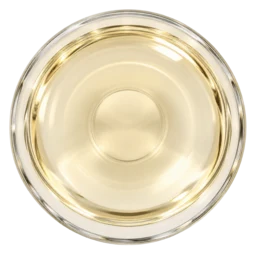
Mâcon-Villages Chardonnay
A dry white with fresh citrus and orchard fruit, ranging from lean and direct to rounder and more substantial.
Chardonnay
Citrus · Apple and pear · White flowers (style-dependent) · Toast or vanilla (with oak)
-
BodyMedium
-
AcidityMedium to high
-
SweetnessDry
-
AlcoholMedium
Viré-Clessé Chardonnay
A lively yet rounded white with white peach, floral and fresh herbal notes.
Chardonnay
White peach · Acacia and honeysuckle · Fresh herbs (style-dependent) · Quince (with age)
-
BodyMedium
-
AcidityMedium to high
-
SweetnessDry
-
AlcoholMedium
Saint-Véran Chardonnay
A dry, rounded Chardonnay with orchard fruit, floral notes and lively freshness.
Chardonnay
Peach and pear · Acacia and honeysuckle · Almond or hazelnut (style-dependent)
-
BodyMedium
-
AcidityMedium to high
-
SweetnessDry
-
AlcoholMedium
Pouilly-Fuissé Chardonnay
A substantial Burgundy Chardonnay that can balance ripe fruit and nutty notes with freshness.
Chardonnay
Citrus and peach · Almond or hazelnut (style-dependent) · Toast or brioche (with oak) · Honey (with age)
-
BodyMedium to full
-
AcidityMedium to high
-
SweetnessDry
-
AlcoholMedium
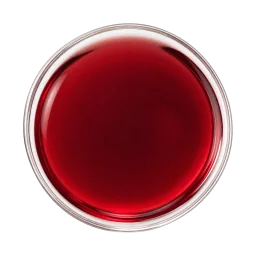
Mâcon red, Gamay-led
A less common red Burgundy option with juicy berry fruit, gentle spice and a supple feel.
Gamay, Pinot Noir
Red berries · Gentle spice (style-dependent) · Dried fruit (with age)
-
BodyLight to medium
-
AcidityMedium to high
-
TanninLow to moderate
-
AlcoholMedium
Mâconnais at a glance
Southern Burgundy vineyards stretch through the hills between the Saône and Grosne valleys, from wooded northern slopes to the limestone rocks of Solutré and Vergisson.
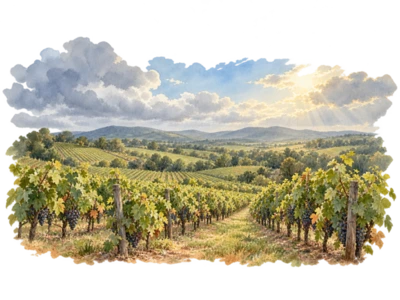
Climate
Generally warmer, sunnier and drier than northern Burgundy, with continental and oceanic influences and meaningful variation by site, exposure and vintage.
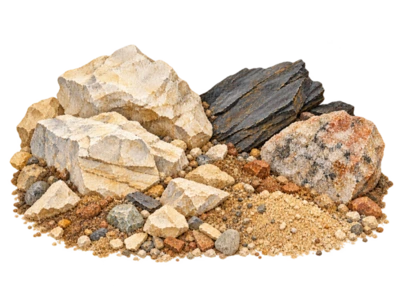
Soils
- Limestone
- Clay and marl
- Siliceous and sandy formations
- Granitic formations
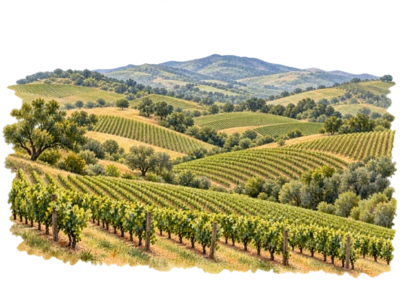
Landscape
Rolling hills, valleys and south Mâconnais limestone outcrops; vineyard sites vary in height and exposure.
Key Takeaways
- Chardonnay dominates the Mâconnais, although small quantities of red and rosé wine also exist.
- Start with Mâcon-Villages for an accessible introduction; explore named origins such as Mâcon-Lugny or Mâcon-Verzé next.
- Saint-Véran, Viré-Clessé and Pouilly-Fuissé offer different routes into the region, with considerable overlap in style.
- Oak is a winemaking choice, not a requirement of being Mâconnais Chardonnay.
- Premier Cru wines now exist in Pouilly-Fuissé, Pouilly-Loché and Pouilly-Vinzelles.
- Choose a fresher white for simply cooked fish and a fuller example for chicken or mushrooms in cream sauce.
Introduction
If you enjoy Chardonnay but find Burgundy’s labels bewildering, the Mâconnais is a rewarding place to start. A simple Mâcon-Villages can bring fresh fruit to a weekday dinner; a more ambitious Pouilly-Fuissé can offer layers of flavour worth lingering over.
The most useful choice is between fresh, fruit-led whites and richer, more textured examples. Appellation names help you navigate, but they do not settle that choice alone: the vineyard, vintage and winemaker matter too. Here is how to read the labels, recognise the styles and find something good to eat alongside them.
Where Is the Mâconnais?
The Mâconnais lies in Saône-et-Loire, in southern Burgundy in eastern France. It sits south of the Côte Chalonnaise and immediately north of Beaujolais, with vineyards spread across hills west of the town of Mâcon.
The Saône valley lies to the east and the Grosne valley to the west. Wooded hilltops and smaller valleys characterise the north; towards the south, the limestone rocks of Solutré and Vergisson rise above the vineyards.
This is Burgundy with a stronger southern influence: generally sunnier and warmer than its northern vineyards, but still varied enough for slope, exposure and harvest timing to make important differences. Its importance lies above all in white wine, offering a broad introduction to Burgundy’s Chardonnay.
Why Is the Mâconnais Famous?
Pouilly-Fuissé is its best-known name, associated with white wines that combine ripe fruit, substance and freshness. Mâcon-Villages has a different role: a widely encountered, often more affordable entry into white Burgundy.
Winegrowing here has roots in Gallo-Roman times. During the Middle Ages, the abbeys of Cluny and Tournus helped develop the vineyards. That history explains part of the landscape; the wines’ present appeal comes from the range available, from straightforward young whites to carefully made, site-specific Chardonnay.
Enthusiasts also seek out the region for the chance to explore individual vineyards without starting with the Côte de Beaune’s most famous names. Value remains part of the attraction, although sought-after Mâconnais wines can command substantial prices.
Important grapes in Mâconnais
-
Chardonnay
- Style
- The defining grape for Mâconnais whites, from fresh and fruit-led to fuller and more textured.
- Flavour profile
- Citrus, apple, pear and peach; white flowers; oak may add toast or vanilla.
- Structure
- Fresh to rounded, usually medium-bodied with variation in weight and oak influence.
- Food pairings
- Simply cooked fish, leek tart, roast chicken, mushroom risotto and poultry in cream sauce.
-
Gamay
- Style
- A source of the region’s smaller-volume red and rosé wines; Mâcon-Bussières is one example.
- Flavour profile
- Red berries and sometimes gentle spice.
- Structure
- Generally supple and fruit-led, with variation by site and vintage.
- Food pairings
- Terrine, charcuterie and roast chicken.
-
Pinot Noir
- Style
- Also permitted in parts of the Mâcon red and rosé category, but secondary to Chardonnay and Gamay in the region’s identity.
- Flavour profile
- Varies by bottle; check producer and merchant notes.
- Structure
- Varies by bottle; do not assume all Mâcon reds are Pinot Noir.
- Food pairings
- Choose according to the particular wine’s weight and preparation.
Wine Styles of the Mâconnais
Fresh, fruit-led white wines
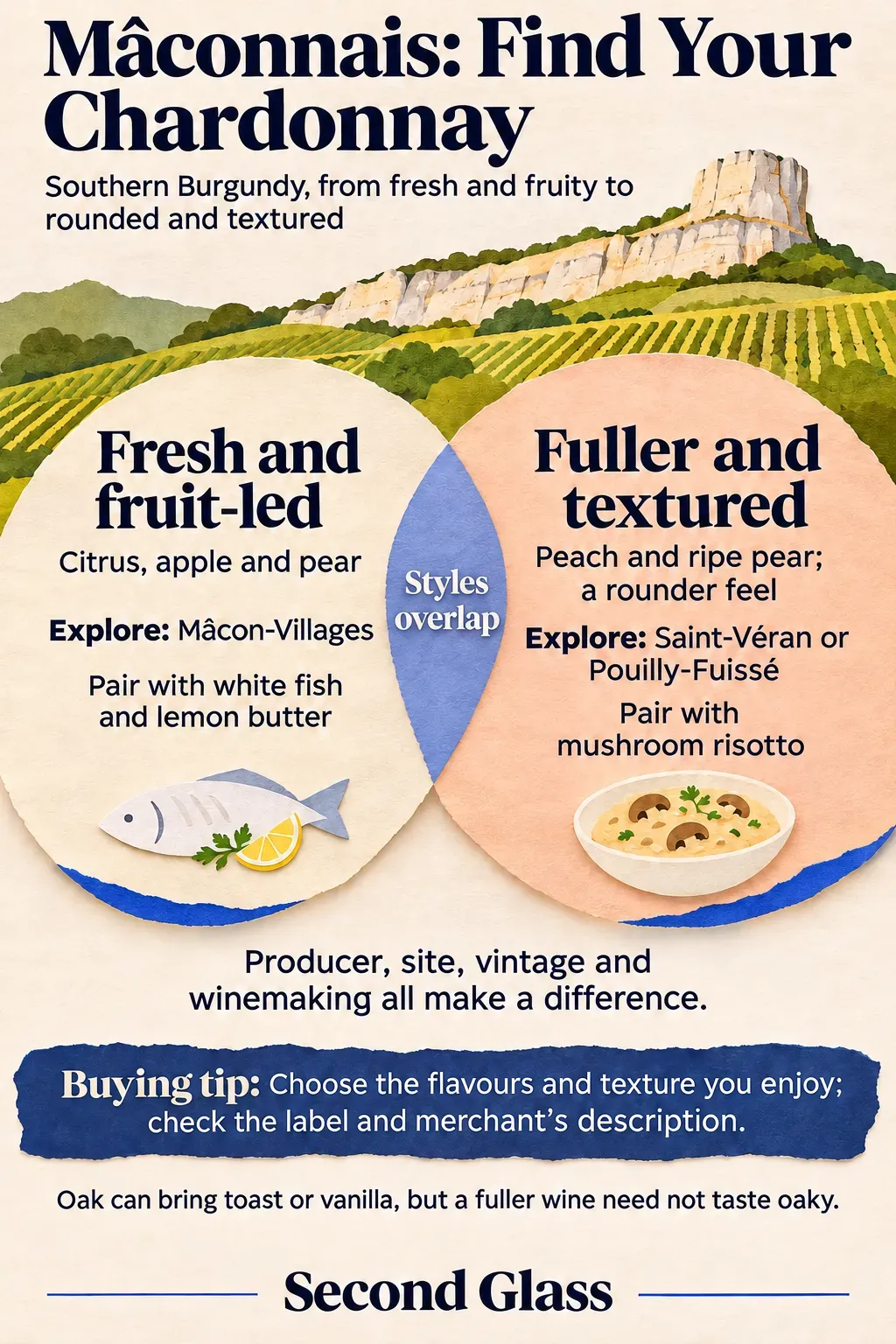
These emphasise fruit and refreshment, with little or no obvious oak flavour. Mâcon-Villages is a useful starting point, but named Mâcon origins and village appellations can also fit this style. Look for merchant descriptions such as “unoaked”, “citrus” or “fresh”, rather than relying on the appellation alone.
Fuller, more textured white wines
Some wines feel broader and more substantial, with flavour that persists after swallowing. Pouilly-Fuissé is an important source, but richer examples also come from Saint-Véran, Viré-Clessé and named Mâcon origins.
Ripeness contributes to that weight. Ageing on lees—the spent yeast left after fermentation—can add a rounded feel, while barrels may contribute oak flavours. A full wine need not taste strongly oaky, and a creamy sensation does not mean the wine contains sugar.
Red and rosé wines
Small quantities of Mâcon red and rosé provide an alternative to Chardonnay. Reds can offer juicy berry fruit and gentle spice; rosés are generally fresh, informal wines for lighter meals. Availability is more limited than for the whites.
Whites with some sweetness
Most bottles beginners encounter are dry. Viré-Clessé is an important exception to a blanket rule: its regulations also recognise wines labelled “demi-sec” and “Levrouté”. Check the listing or ask the merchant if you specifically want a dry bottle.
What Do Wines From the Mâconnais Taste Like?
Use these as tasting cues rather than a checklist every bottle must satisfy.
| What to notice | Fresher white examples | Fuller white examples |
|---|---|---|
| Fruit | Citrus, apple or pear | Peach, ripe pear and sometimes pineapple |
| Other aromas | White flowers; occasional fresh herbal notes | Almond or hazelnut; toast or vanilla where oak contributes |
| Feel | Mouth-watering, usually medium-bodied | More weight and a rounded feel, balanced by acidity |
| Development | Often most appealing for youthful fruit | Some develop nutty, honeyed or more savoury complexity |
Honeyed aromas do not necessarily indicate sweetness. Equally, the word “mineral” is a tasting description, often used for a stony impression; it is not a precise measurement of soil in the glass.
Vintage matters. Warmer seasons can encourage riper fruit and more weight, while cooler conditions can favour a sharper, more citrus-led impression. Producer choices can reinforce or soften those tendencies.
Many wines are enjoyable young. More concentrated examples can develop with bottle age, but the appellation alone cannot tell you how long to keep a particular bottle.
The Mâconnais names worth recognising
-
Mâcon and Mâcon-Villages
Memory hook: The broad starting point for Mâconnais Chardonnay.
Known for: Mâcon-Villages is white Chardonnay; the wider Mâcon category also includes red and rosé.
Why it matters: Mâcon-Villages is a regional appellation, while named Mâcon origins specify a more particular place.
-
Saint-Véran
Memory hook: Chardonnay around Pouilly-Fuissé.
Known for: White Chardonnay with useful fruit, freshness and roundness cues.
Why it matters: Its vineyards occupy separated areas around Pouilly-Fuissé and vary by exposure and site.
-
Viré-Clessé
Memory hook: Lively Chardonnay with dry and sweeter choices.
Known for: White Chardonnay; demi-sec and Levrouté styles are also recognised.
Why it matters: Its sweetness options make checking the label especially useful.
-
Pouilly-Fuissé
Memory hook: The Mâconnais name many drinkers know first.
Known for: Chardonnay, including village and Premier Cru wines.
Why it matters: Twenty-two Climats were recognised as Premier Cru in 2020; site and winemaking still shape the style.
-
Pouilly-Loché and Pouilly-Vinzelles
Memory hook: Smaller Chardonnay appellations near Mâcon.
Known for: White Chardonnay; Premier Cru sites are eligible from the 2024 vintage.
Why it matters: They offer further site-led Mâconnais wines beyond the best-known Pouilly-Fuissé.
Freshness for the table
Regional specialities
A fuller Saint-Véran or Pouilly-Fuissé can suit Bresse chicken in cream sauce: its weight meets the sauce while acidity refreshes the palate. A lively white also works with snails in garlic and parsley butter.
Fresh Mâcon white provides contrast to the creamy texture of local goat’s cheese.
Everyday local pairings
- Fresh Mâcon-Villages with pan-fried white fish and lemon butter.
- Fuller Saint-Véran or Pouilly-Fuissé with mushroom risotto.
- Fresh named-origin Mâcon white with leek and cheese tart.
- Dry Viré-Clessé or Saint-Véran with roast chicken and potatoes.
- Gamay-led Mâcon red with terrine or charcuterie.
Pairings to approach carefully
Very hot chilli can make a dry white feel more burning; a lower-alcohol wine with gentle sweetness may be more comfortable. Sweet glazes, strong blue cheese and heavily charred sauces can overwhelm a subtle dry Chardonnay.
How to serve Mâconnais
White
Mâcon-Villages Chardonnay
11–12°C 52–54°F
Serve with food at 11–12°C; let it warm slightly in the glass if coldness hides its aromas.
White
Pouilly-Fuissé
11–13°C 52–55°F
Serve at 11–13°C; let the wine warm gently in the glass if its aromas seem muted.
White
Young Saint-Véran
9–11°C 48–52°F
Regional guidance gives this range for young wines.
White
Older Saint-Véran
11–13°C 52–55°F
Regional guidance gives this range for older wines.
White
Viré-Clessé
11–13°C 52–55°F
Regional guidance gives 11–13°C.
Red
Mâcon red
14–15°C 57–59°F
Serve lightly cool at 14–15°C.
Rosé
Mâcon rosé
11–12°C 52–54°F
Serve at 11–12°C.
Similar wine regions to explore
| Shared thread | How it differs | |
|---|---|---|
| Chablis | Burgundian Chardonnay can share citrus-led freshness with the fresher Mâconnais whites. | Chablis is often tauter and more linear than a rounded Mâconnais Chardonnay. |
| Côte Chalonnaise | It offers another source of Burgundian Chardonnay with floral, pear and citrus notes. | Its appellations and vineyard origins differ; Montagny is a useful white-wine comparison. |
| Casablanca Valley | Its Chardonnay can combine ripe fruit with refreshing acidity. | Pacific cooling shapes the growing conditions, and some examples show more overt tropical fruit. |
Buying Guide
These are approximate retail planning bands for a standard 750 ml bottle, checked in November 2026. UK and US prices reflect their separate markets; delivery and US sales taxes may be extra, and the tiers overlap.
Budget
Around £12–£20 / $17–$25. Look first for Mâcon-Villages or an accessible named Mâcon origin, using “unoaked” or “fresh and fruity” as useful listing clues. This tier is a sensible choice for exploring Chardonnay with everyday food; the trade-off is usually less complexity rather than a lack of enjoyment.
Mid-Range
Around £20–£35 / $25–$40. Explore Saint-Véran, Viré-Clessé, more individual named Mâcon wines and some Pouilly-Fuissé. Read how the wine was made: spending more may buy a more specific origin or greater concentration, but it does not automatically buy more oak or a better match for your taste.
Premium
Around £35–£50+ / $40–$65+. This opens up more site-specific wines and Premier Cru examples, especially Pouilly-Fuissé; sought-after bottles can cost considerably more. Spend here when you want to explore a vineyard or a more persistent, layered wine, and ask about drinking readiness and storage history if buying an older vintage.
Compare two dry Mâconnais whites
Compare two contrasting dry Mâconnais whites to discover which combination of fruit, freshness and weight you enjoy. Choose bottles within your budget and serve them at a similar temperature in matching glasses.
How To Start Exploring
- Step 1 — Taste a young Mâcon-Villages with leek tart or simply cooked chicken; notice the fruit and mouth-watering acidity.
- Step 2 — Compare it with a fuller Saint-Véran or Pouilly-Fuissé. Notice the weight, oak influence and length; differences reflect the individual wines as well as their origins.
- Step 3 — Explore Mâcon-Lugny, Mâcon-Verzé or dry Viré-Clessé and record which style details appeal to you.
- Step 4 — Try a Premier Cru when you want to investigate a particular vineyard or compare wines from the same producer.
Common Misconceptions
Mâconnais Chardonnay is always buttery and oaky
Many examples foreground fresh fruit. Check the winemaking description, since oak use and the processes that create buttery flavours vary.
Mâcon-Villages is a village appellation
Despite the name, it belongs to Burgundy’s regional category. Saint-Véran and Pouilly-Fuissé are examples of separate village appellations.
A more prestigious label guarantees a richer wine
Classification concerns origin and rules. Vineyard conditions, vintage and winemaking still determine how a bottle feels and tastes.
Questions about the Mâconnais
What grape is Mâconnais wine made from?
Chardonnay is the defining grape and makes the region’s principal white wines. Gamay and Pinot Noir are also used for smaller-volume reds and rosés.
Is Mâcon-Villages a village appellation?
No. Mâcon-Villages is a regional appellation for white Chardonnay; Saint-Véran and Pouilly-Fuissé are separate village appellations.
Is Mâconnais Chardonnay always oaked?
No. Oak treatment varies, and many wines foreground fresh fruit rather than obvious oak.
Is Viré-Clessé always dry?
No. Dry wines are common, but the appellation also recognises demi-sec and Levrouté styles. Check the label or merchant listing.
What is the difference between Pouilly-Fuissé and Pouilly-Fumé?
Pouilly-Fuissé is Chardonnay from Burgundy’s Mâconnais; Pouilly-Fumé is Sauvignon Blanc from the Loire Valley.
Which Mâconnais wine is a good first purchase?
A recent-vintage Mâcon-Villages is an accessible first taste. Choose a dry Saint-Véran or Pouilly-Fuissé if you prefer fuller Chardonnay.
Final Thoughts
The Mâconnais offers several ways into Chardonnay: fresh and direct, rounded and generous, or more detailed and suited to a slower meal. Start with Mâcon-Villages, then let the texture and flavours you enjoy guide your next choice. A label becomes much easier to remember when you can connect it to a glass you liked. You can now visit the wider Burgundy guide.