
Quick answer
What to know first
From apple and cherry to pecan, lemon and chocolate, discover seven sweet-pie pairings, with wine styles to try and tips for choosing a bottle sweet enough for dessert.
Introduction
Choose wine for a sweet pie by looking at its filling. Bright fruit and citrus benefit from freshness; spice suits aromatic wines; dense nut and chocolate fillings need more weight. A sweet wine is usually the safest starting point, but check that the bottle is sweet enough for dessert.
Key takeaways
- Choose a wine that’s sweet enough to stand alongside the pie.
- Sweet Riesling is a versatile match for apple and lemon; check the bottle’s sweetness description.
- Moscato d’Asti suits spiced pumpkin pie, while Brachetto d’Acqui brings a light, sparkling match for cherry.
- Tawny Port or PX Sherry can stand up to rich pecan filling; young Banyuls Rimage suits chocolate.
- Match the wine’s weight to the filling, and serve a small pour—about 50ml—to start.
- For a less-sweet apple pie, dry Marsala offers a bolder contrast.
What Sweet Pie brings to the glass
- Texture
- Flaky or crisp pastry with fillings ranging from bright fruit to creamy custard, sticky nuts and dense chocolate.
- Cooking method
- Baked in pastry; fillings may be fruit-based, custard-based, nut-based or chocolate-based.
- Dominant flavours
- Baked apple, cherry and other fruit and Citrus, baking spice, nuts and chocolate
Seven pie-and-wine pairings
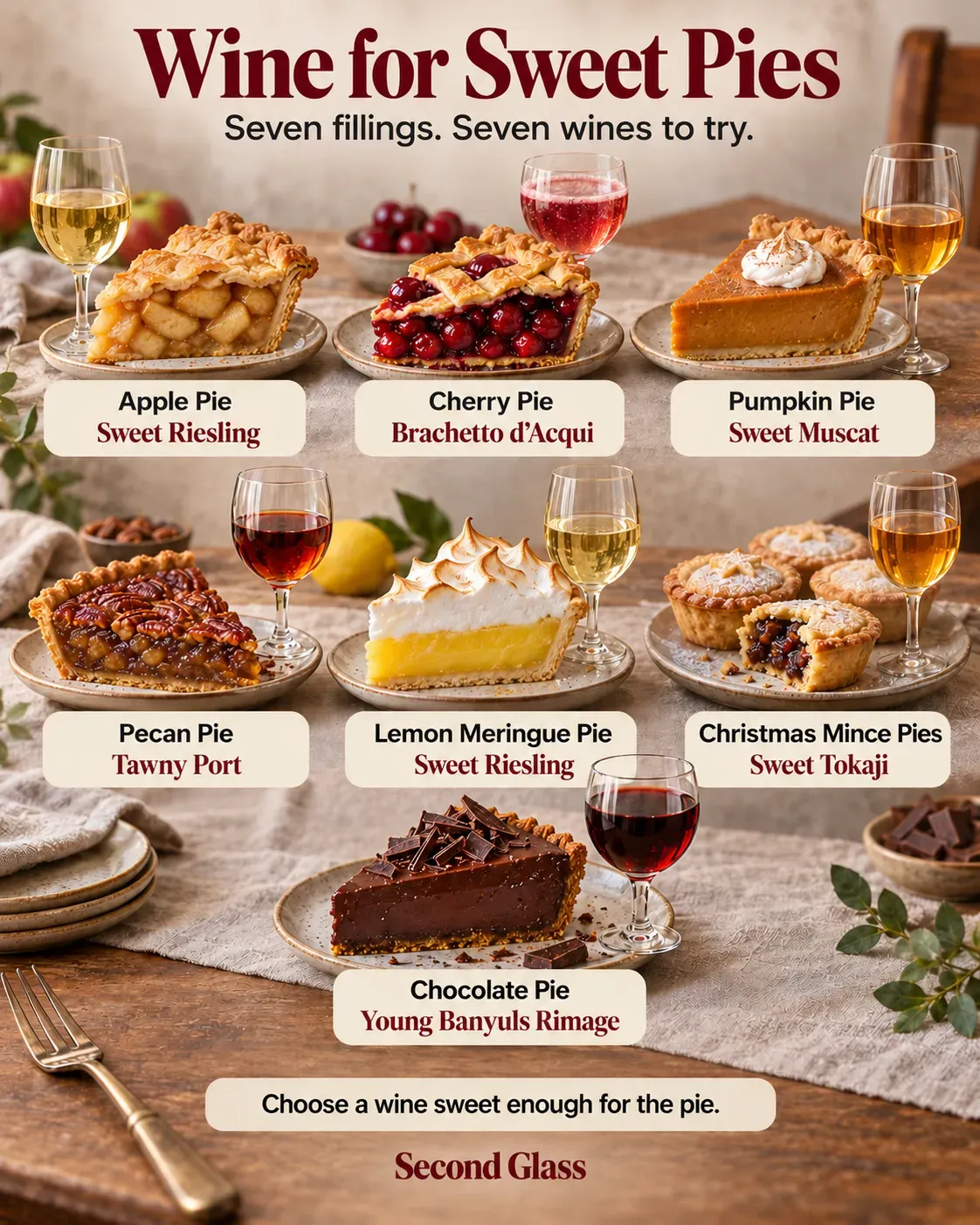
Pairing #1 Apple pie <-> sweet Riesling
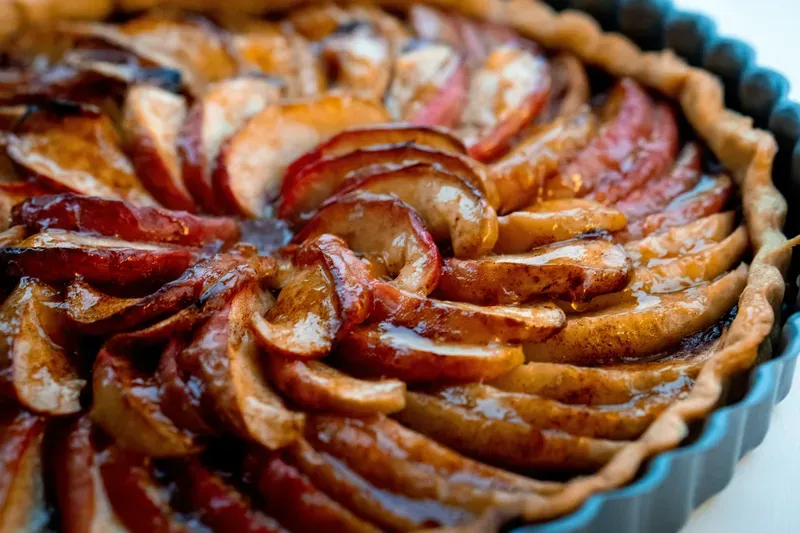
Baked apple and cinnamon suit a sweet Riesling with lively acidity. Choose a bottle explicitly described as sweet or dessert-style. For a softer, honeyed alternative, try sweet Chenin Blanc from the Loire.
A bolder option: Dry Marsala can work as a deliberate contrast with a less-sweet apple pie. The match may taste sharp if the pie is very sweet.
Pairing #2 Cherry pie <->Brachetto d’Acqui
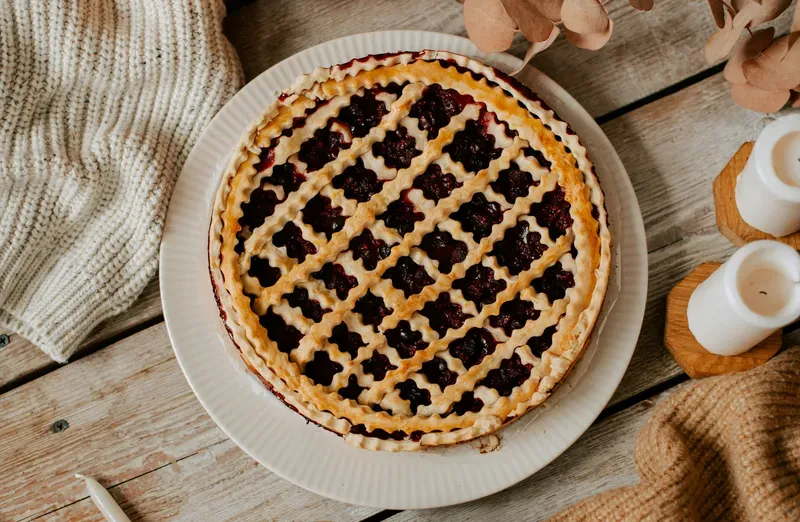
This lightly sparkling, sweet red from Piedmont echoes cherry pie’s vivid fruit, while its gentle fizz lifts the pastry. For a still option, try a young Banyuls Rimage, whose fresh-fruit character suits the filling.
A bolder option: Recioto della Valpolicella brings concentrated cherry and dried-fruit flavours. Try it with a dark, intense filling; it may overwhelm a lighter pie.
Pairing #3 Pumpkin pie <-> sweet Muscat

Aromatic Muscat complements pumpkin custard and warming spice. Moscato d’Asti is a light, gently sparkling choice; a richer sweet Muscat suits a sweeter or more heavily spiced pie. Sweet Riesling is an alternative when you want more freshness.
A bolder option: Try Vin Santo, an unfortified Tuscan wine with dried-fruit and nutty notes. Check the label or ask a merchant about sweetness, as Vin Santo varies in style.
Pairing #4 Pecan pie <-> tawny Port
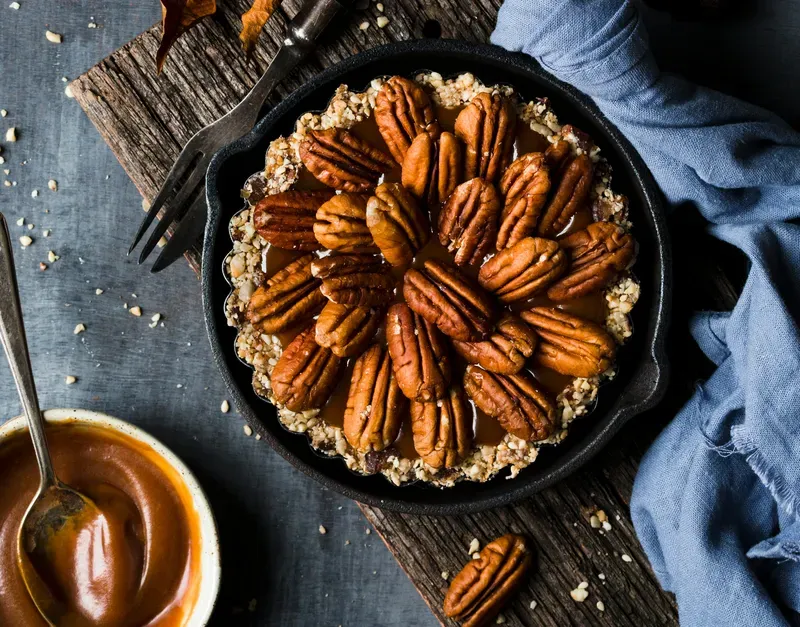
Toasted pecans and syrupy filling call for depth. Tawny Port brings nut and dried-fruit flavours, with enough body for a rich slice. Sweet Vin Santo is an unfortified alternative, provided it has enough sweetness for the pie.
A bolder option: Pedro Ximénez Sherry, often called PX, has concentrated sweetness and dried-fruit character. Pour a small, slightly chilled glass; it can be intense beside a lighter pecan pie.
Pairing #5 Lemon meringue pie <-> sweet Riesling
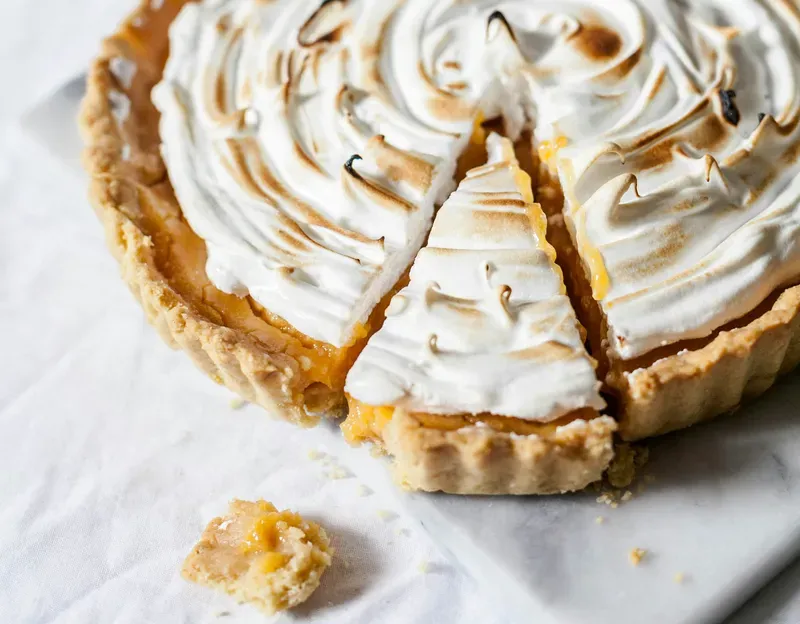
The citrus filling needs a wine that has both sweetness and freshness. A sweet Riesling offers both, balancing the meringue while meeting the lemon’s sharpness. Ice wine is a more concentrated option for a particularly sweet pie.
A bolder option: Moscatel Sherry brings floral aromas rather than Riesling’s citrus-and-acidity profile. Try it when the meringue is sweet and lemon remains the dominant flavour.
Pairing #6 Christmas mince pies <->sweet Tokaji
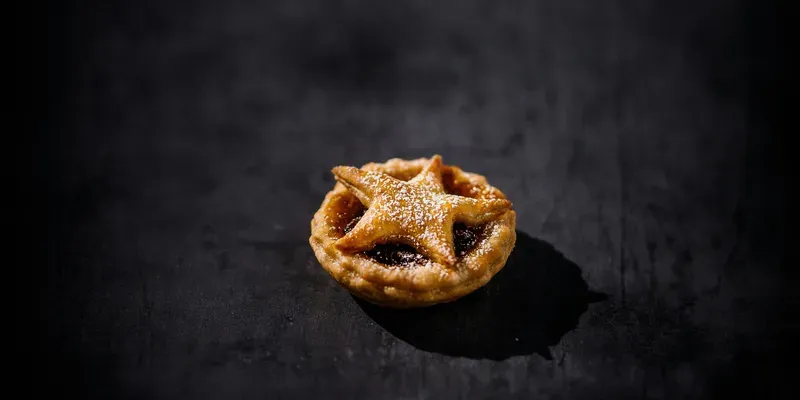
Dried fruit, citrus peel and baking spices make mince pies a natural match for sweet Tokaji. Its concentrated fruit and freshness suit a generous filling. Rutherglen Muscat is a richer alternative for darker, stickier mincemeat.
A bolder option: Malmsey Madeira brings warming, developed flavours that suit dried fruit and spice. Its intensity makes a small pour a good place to start.
Pairing #7 Chocolate pie <-> young Banyuls Rimage
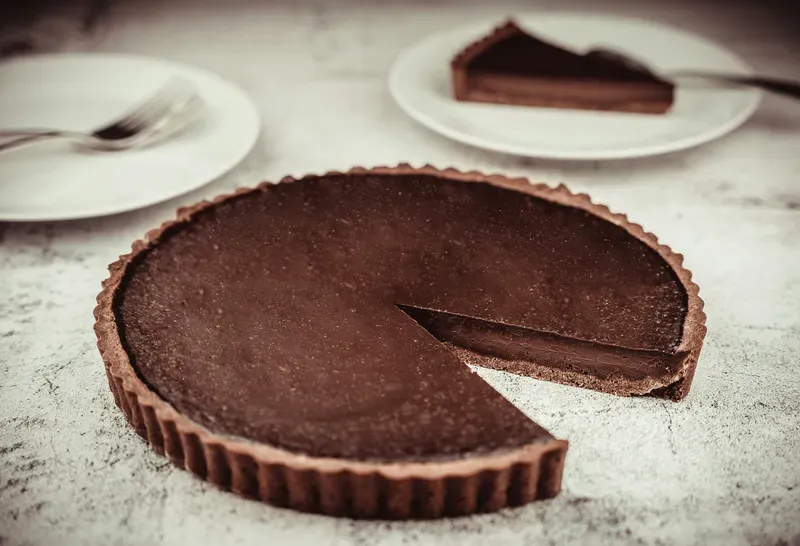
Chocolate can overwhelm lighter wines. A young Banyuls Rimage offers fresh, dark-fruit flavours and enough concentration to stay alongside a chocolate filling. Ruby Port is another fruit-led option. An aged Banyuls, with more developed flavours, may suit a less-sweet pie with dried-fruit notes.
Why these wines work with Sweet Pie
Match the wine's sweetness and weight to the pie's filling, using freshness with fruit and citrus and richer styles with dense, nutty or chocolate fillings.
- Choose a wine that tastes sweet enough to stand alongside the pie.
- Use freshness to keep fruit, citrus and pastry pairings lively.
- Match fuller wines to dense, syrupy or chocolate-rich fillings.
Pairings by preparation
- Extra spice: Try aromatic sweet Muscat or Riesling. For a darker, richer filling, consider Malmsey Madeira.
- More tart fruit or lemon: Keep freshness in the wine; sweet Riesling is a useful starting point.
- Extra syrup, caramel or chocolate: Choose a wine with more weight, such as tawny Port or PX Sherry.
- A less-sweet apple pie: Dry Marsala can provide a savoury contrast. Avoid this experiment with a very sweet filling.
Pairing pitfalls
- Choosing by sweetness alone: The wine’s freshness and weight matter too. A very rich wine can feel heavy beside a sharp lemon filling.
- Treating every Banyuls as fresh and fruity: Choose young Banyuls Rimage for that profile. Aged Banyuls develops different flavours, which may suit a richer or dried-fruit filling.
- Serving every style at the same temperature: As a starting point, chill Moscato d’Asti to around 6–8°C and sweet still whites to around 8–10°C. Tawny Port is generally served slightly cool, around 10–14°C; follow the bottle or merchant guidance for other styles.
Best grapes for Sweet Pie
Start hereRiesling
Sweet styles bring fruit and freshness to apple and lemon pies.
Also tryChenin Blanc
Sweet Loire styles provide a honeyed alternative for apple pie.
Also tryMuscat
Aromatic sweet styles complement creamy pumpkin filling and spice.
Also tryGrenache
Grenache-based Banyuls Rimage offers the fruit and concentration for chocolate pie.
Also tryBrachetto
Sweet Brachetto d’Acqui gives cherry pie a lightly sparkling, fruit-led match.
Buying guide
These are indicative price bands, not current quotes: they cover typical 375–500ml bottles in UK and US retail markets. Prices vary by retailer, availability, tax and bottle size.
Budget: £8–15 / $12–22
This range can include Moscato d’Asti, entry-level sweet Muscat and some sweet late-harvest wines. Compare bottle sizes as well as prices; dessert wines are often sold in 375ml or 500ml bottles. Harvest and grape-ripeness terms such as “late harvest” and “Spätlese” do not, by themselves, guarantee a dessert-sweet wine, so check the sweetness description or ask a merchant. These bottles are a practical choice for a casual slice and are generally intended to be enjoyed young.
Mid-range: £16–35 / $23–50
This range can include sweet Riesling, Loire Chenin Blanc, Banyuls Rimage, tawny Port and Vin Santo. Compare the style, sweetness and bottle volume before comparing prices. Many bottles in these categories are ready to drink when purchased. Choose by the filling you’re serving, since a higher price alone does not make a wine a better match.
Premium: £36+ / $51+
This range may include Tokaji Aszú, ice wine, aged tawny Port and more concentrated sweet wines. Check bottle volume and style carefully; a higher price may reflect rarity, age or production method. Tawny Port is ready to drink when bottled, while ageing potential depends on the specific wine and style. Ask the producer or merchant for cellaring guidance if you’re buying a bottle to keep.
Start with the filling
Begin by identifying the pie’s dominant filling. Choose a wine that tastes sweet enough to stand alongside it. Sweet Riesling is a useful first choice for apple pie because its freshness suits the baked fruit. For richer pecan or chocolate pies, try a fuller wine such as tawny Port or young Banyuls Rimage. Pour about 50ml of each wine when comparing pairings.
A side-by-side tasting
- Step 1 — Pour about 50ml each of sweet Riesling and sweet Chenin Blanc.
- Step 2 — Taste each wine on its own and notice its sweetness, freshness and fruit.
- Step 3 — Taste each wine with apple pie and compare how it meets the filling and pastry.
- Step 4 — Choose the pairing you prefer, then repeat with another pie and two different styles.
Questions about sweet-pie wine pairing
What wine goes best with sweet pies?
There is no single wine for every pie. Sweet Riesling is a useful starting point for apple and lemon; choose tawny Port for pecan, sweet Muscat for pumpkin and young Banyuls Rimage for cherry or chocolate.
Can I serve dry wine with sweet pie?
You can, but a sweet filling may make the wine taste sharper and less fruity. A sweet wine is usually the easier match; dry Marsala is a bolder contrast to try with a less-sweet apple pie.
What wine goes with apple pie?
Try sweet Riesling for freshness and apple-friendly fruit, or sweet Chenin Blanc for a softer, honeyed match. Dry Marsala is a bolder contrast for a less-sweet pie.
What should I serve with lemon meringue pie?
Sweet Riesling is a good starting point because it can meet the lemon’s sharpness while balancing the meringue. Moscatel Sherry offers a more floral alternative.
Can I serve red wine with sweet pie?
Yes. Choose a sweet red style rather than a dry red: Brachetto d’Acqui suits cherry pie, while Banyuls Rimage or Ruby Port can work with chocolate.
How much dessert wine should I pour?
Start with about 50ml. Chill Moscato d’Asti and sweet still whites; serve tawny Port slightly cool. Check the bottle or ask a merchant for guidance on other styles.
Can I use one bottle for a mixed pie selection?
Sweet Riesling can work across apple, pumpkin and lemon pies. If the selection includes richer pies such as pecan or chocolate, add a fuller option such as tawny Port.
Final thoughts
Start with the filling, then check that the wine is sweet enough. For an easy first try, pour sweet Riesling with apple pie; for a richer contrast, try tawny Port with pecan.