
Smooth red wines at a glance
From fresh red berries and silky tannins to ripe black fruit and a plush finish.
These dry reds vary widely in weight, acidity, fruit and oak; smoothness describes texture, not one fixed flavour.
Look
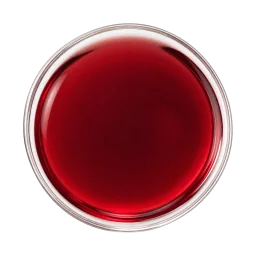
Ruby
Medium
Colour and depth vary across the grapes and styles in this guide.
Palate
-
Body
Light to full
Ranges from light, delicate reds to full, plush examples.
-
Acidity
Medium to high
Freshness is often prominent, especially in lighter styles.
-
Tannin
Low to medium
Many examples feel gentle or integrated, though grip varies.
-
Sweetness
Dry
The styles are generally dry; ripe fruit can taste sweet without making the wine sweet.
-
Alcohol
Medium to high
Some fuller examples, particularly Primitivo, can have a warming finish.
Texture
Silky to plush; tannins are often gentle or integrated, though the amount of grip varies by style.
Recognisable aromas
Typically
-
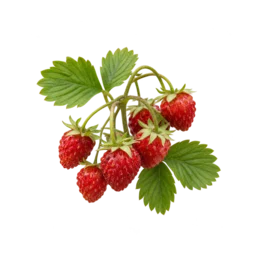 Wild strawberry
-
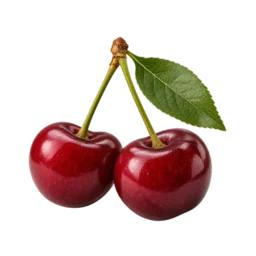 Cherry
-
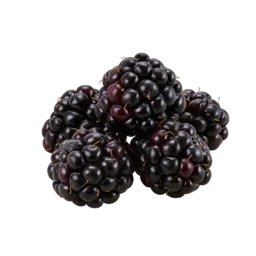 Blackberry
Fresh styles often show strawberry or cherry, while fuller Primitivo can bring blackberry.
Also: raspberry, plum and dried herbs
With oak
-
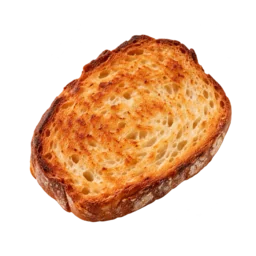 Toast
-
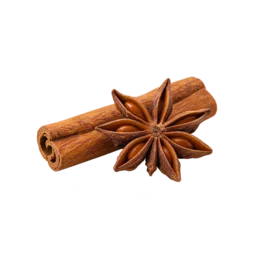 Spice
-
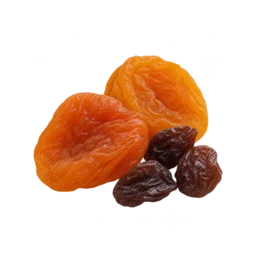 Dried fruit
Oak-aged examples may show toast, gentle spice or dried-fruit notes.
Also: pepper, herbal and savoury notes
Key Takeaways
- For a lighter, silky red, start with Pinot Noir or Gamay from Beaujolais.
- Valpolicella Classico offers soft tannins with a bright, fresh edge.
- Merlot and Grenache-led Côtes du Rhône bring more body without needing to feel hard or austere.
- Rioja Crianza can feel rounded and savoury after time in oak and bottle.
- Primitivo is the richest, ripest choice here; check the alcohol level if you dislike a warming finish.
- “Smooth” describes a sensation, not a regulated wine style or a guarantee that every bottle will taste alike.
What People Mean by a Smooth Red Wine
“Smooth” is one of wine’s most useful shopping words—and one of its least precise. It might mean gentle tannins, ripe fruit, a velvety texture or simply a red that doesn’t feel severe. It doesn’t necessarily mean sweet, low in acidity or light-bodied.
The seven styles below move from fresh, delicate reds towards fuller, plusher ones. Start with the texture you enjoy, then use the grape, region and label clues to find your way to another bottle. If you specifically want lighter-bodied reds, see our Light-Bodied Red Wine: A Beginner’s Guide.
What Makes a Red Wine Feel Smooth?
Tannins are compounds in grape skins, seeds, stems and oak that can leave your gums feeling dry or grippy. They shape a wine’s texture rather than giving it one particular flavour. A smooth red usually has tannins that feel gentle or well integrated, so the fruit comes through without a rough finish. Acidity, fruit, alcohol and other components affect that impression too (Decanter on tannins; research review on wine tannin and astringency).
Body is a different clue. Pinot Noir can feel light and silky; Primitivo can feel full and velvety. Both may be described as smooth, but they offer very different weight and flavours. And ripe fruit can make a dry wine seem generous without making it sweet.
Some structured reds feel less drying after time in bottle, but ageing does not soften every wine and does not make every bottle worth cellaring. Barrel maturation can help tannins integrate, while oak itself can contribute tannin and grip; the effects depend on the wine and the barrel (AWRI on tannin changes during bottle ageing; AWRI on oak treatments; The Wine Society on barrels).
William Hill’s 2022 California Merlot was aged in French and American oak, and the producer notes vanilla aromas. Vanilla or toast can hint at oak influence; judge texture separately by asking whether the tannins feel polished or still dry your gums (William Hill 2022 California Merlot).
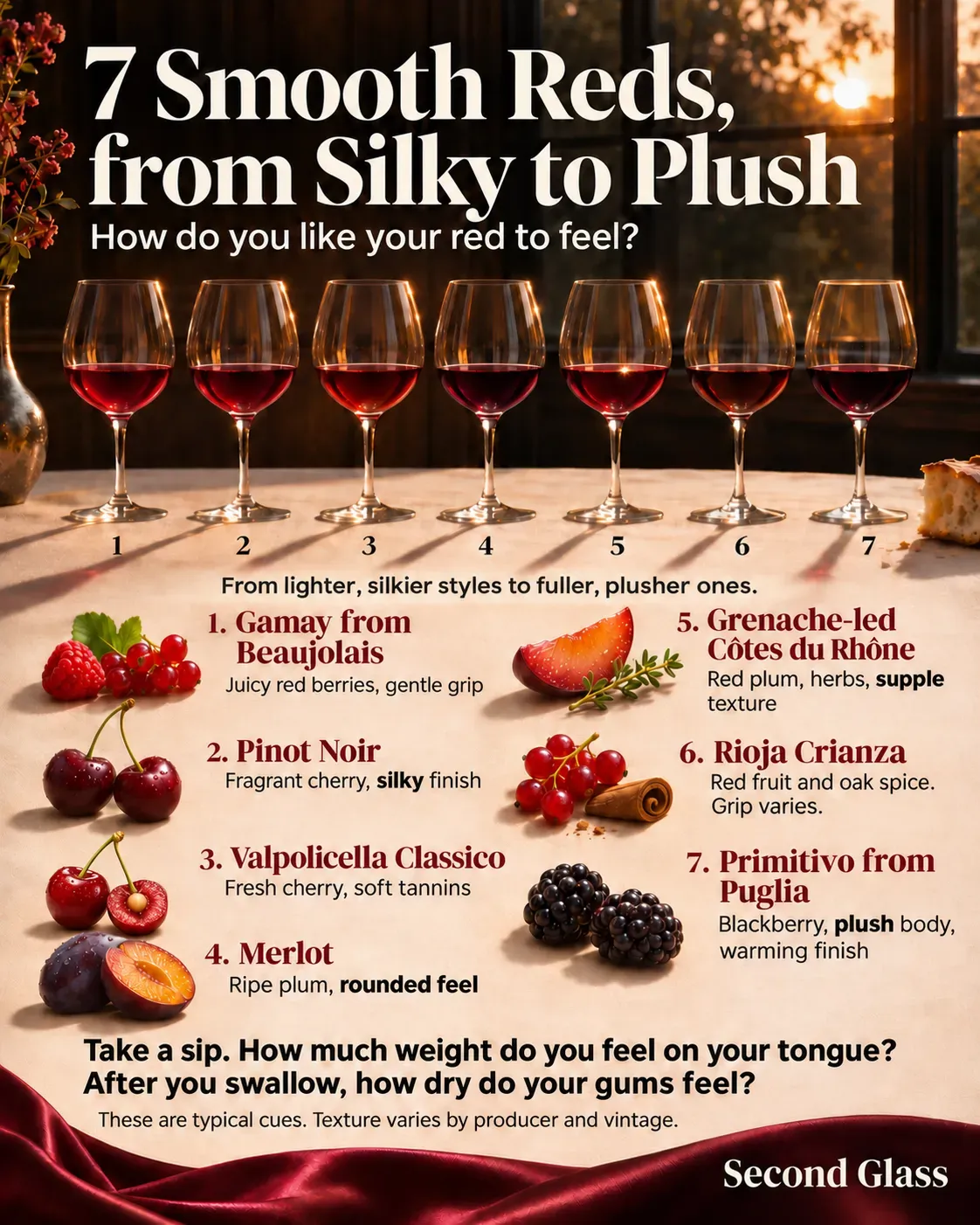
Seven Smooth Red Wines to Try
These are seven useful styles, arranged from lighter and fresher towards richer and more generous—not a universal ranking. Each wine varies by producer, place, vintage and winemaking.
1. Gamay from Beaujolais
Choose it for: juicy fruit, freshness and gentle tannins.
Beaujolais is the best-known home of Gamay. Many bottles offer strawberry, raspberry or cherry, lively acidity and fine, unobtrusive tannins. For a fresh, easy introduction, look for Beaujolais or Beaujolais-Villages; the ten crus can be more layered and structured. The Wines of Beaujolais tasting guide describes the region’s crisp acidity, silky tannins and bright fruit, while Berry Bros. & Rudd notes the range from delicate and floral to darker, more savoury examples.
2. Pinot Noir
Choose it for: a fragrant, silky red with a little more savoury detail.
Pinot Noir often brings cherry, raspberry or strawberry, with earthy, herbal or mushroom-like notes in some examples. Its acidity keeps the wine lively; its tannins are usually fine rather than forceful. Burgundy is the classic reference point, while Oregon and New Zealand offer different expressions. Climate, ripeness and winemaking matter, so use “Pinot Noir” as a helpful first clue, not a promise of one fixed taste. The Wine Society’s guide to soft reds describes Pinot Noir as perfumed and silky.
3. Valpolicella Classico
Choose it for: soft tannins with a fresher, savoury edge.
Look for the standard Valpolicella DOC or Valpolicella Classico when you want a red with cherry fruit, freshness and moderate weight. These wines are blends based on local grapes such as Corvina, Corvinone and Rondinella; the Valpolicella consortium describes delicate tannins in the standard DOC style. Don’t confuse it with Amarone or Ripasso: those are richer, more concentrated wines that can feel heavier and warmer.
4. Merlot
Choose it for: a rounder, more generous red with plum and dark-cherry fruit.
Merlot ranges from supple and fruit-led to firm and structured. Many approachable examples taste of ripe plum, cherry and blackberry, with softer tannins than a comparably styled Cabernet Sauvignon, though neither grape guarantees a particular texture. Chile, Bordeaux’s Right Bank and parts of the United States are useful places to explore. If you prefer a smoother style, try one with balanced alcohol and restrained oak rather than simply choosing the ripest or most expensive bottle.
5. Grenache-led Côtes du Rhône
Choose it for: ripe red fruit, herbs and a medium-bodied, rounded feel.
Southern Rhône reds are often blends, with Grenache frequently joined by Syrah and Mourvèdre. They can bring strawberry or red-plum fruit, pepper and dried herbs. Grenache-led examples often feel supple and generous, but warmer sites and higher alcohol can make a wine taste hot rather than smooth. Check the merchant’s tasting note for words such as “fresh”, “supple” or “balanced”; the Wines of the Rhône overview introduces the appellation, and producers’ blends and proportions vary.
6. Rioja Crianza
Choose it for: red fruit with gentle oak spice and a more settled texture.
For red Rioja, Crianza means at least two years’ ageing before release, including at least one year in oak. Tempranillo is usually central, though other authorised varieties may be included. Rioja’s official trade organisation explains the ageing categories and Tempranillo’s role in the region (Rioja 101). A good Crianza can offer settled, savoury fruit and gentle oak spice, but the category does not guarantee a soft taste; producer and vintage still matter.
7. Primitivo from Puglia
Choose it for: ripe black fruit and a plush, warming finish.
Primitivo often shows ripe plum, blackberry and spice, with soft, rounded tannins. It is usually fuller and more generous than Gamay or Pinot Noir, and its alcohol can be relatively high. If you enjoy rich fruit but not a hot finish, check the ABV and serve it slightly cool. The Puglia wine guide describes its ripe fruit and supple tannin while noting the warming effect of alcohol. Primitivo is the Italian name of the grape, known around the world as Zinfandel.
How to Choose a Smooth Red Wine
Use the label as a starting point, then check the back label or merchant description for body, tannin, alcohol and oak. If you want something delicate, try Beaujolais-Villages or Pinot Noir. For more body, choose Merlot or a Grenache-led Côtes du Rhône. For ripe, darker fruit, consider Primitivo—but watch the alcohol. Rioja Crianza is a good route if you like savoury flavour and some oak influence.
Words such as “soft”, “supple”, “rounded” and “silky” can be helpful, but they are not regulated terms. “Reserve” and “old vines” also mean different things in different places, so don’t assume they guarantee smoothness. A producer’s style and the particular vintage can matter as much as the grape name.
How to serve Smooth red wines
Red
Gamay
12–15°C 54–59°F
Serve lightly chilled to sharpen its juicy red fruit and floral freshness.
Red
Light Pinot Noir
13–16°C 55–61°F
Serve lightly cool so the red fruit stays fresh. Avoid serving straight from a warm room; allow a very cold bottle to warm gently in the glass.
Red
Merlot
15–18°C 59–64°F
Serve below warm room temperature so its plum fruit and soft texture remain balanced.
Red
Rioja Crianza
15–17°C 59–63°F
Serve a little cooler than a heated room. Brief chilling keeps the red fruit fresh without hardening the tannins.
Red
Grenache
15–17°C 59–63°F
Serve just below room temperature to balance its ripe fruit, alcohol and spice.
Red
Standard Valpolicella
14–16°C 57–61°F
Serve standard Valpolicella at the consortium’s recommended range.
Red
Primitivo
16–18°C 61–64°F
Serve fuller Primitivo slightly below warm room temperature; cool it briefly if the room is warm.
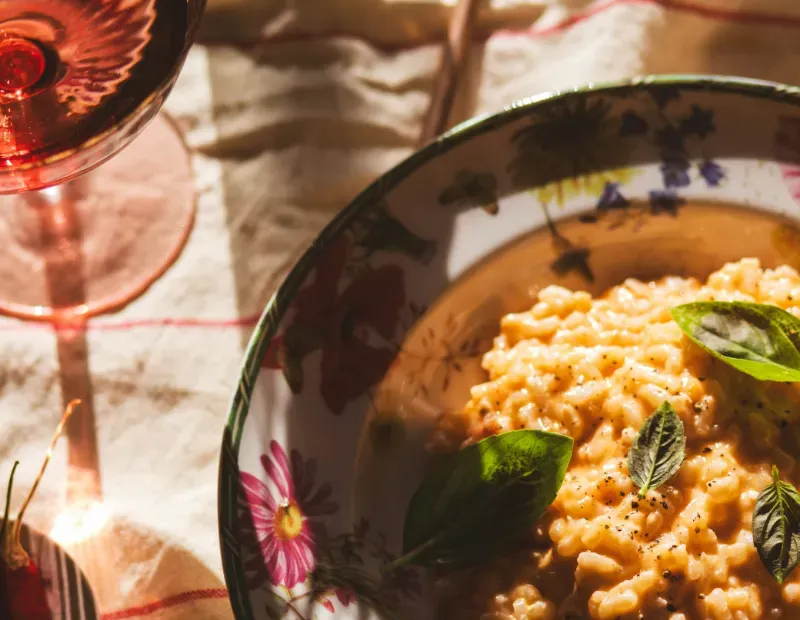
Match the wine’s weight to the dish
Ideal Pairings
- Gamay or Pinot Noir with roast chicken or mushroom risotto: freshness and gentle tannins suit savoury flavours without overwhelming them.
- Valpolicella with pizza, tomato pasta or grilled salmon: bright acidity and moderate weight work well with tomato and lighter savoury dishes.
- Merlot or Rioja Crianza with burgers, roast pork or lentil shepherd’s pie: rounder fruit can meet richer, browned flavours.
- Grenache-led Côtes du Rhône or Primitivo with barbecue or slow-cooked lamb: ripe fruit and spice suit smoky or savoury dishes, especially when the sauce is not very sweet.
Everyday Pairings
- Gamay with a charcuterie sandwich.
- Merlot with aubergine parmigiana.
- Rioja Crianza with roast vegetables and butter beans.
Pairings to Approach Carefully
Very hot chilli can make alcohol feel more prominent, and sweet barbecue sauce can make a dry wine seem harder. Choose a fresher, lower-alcohol red for chilli, or balance sweet glazes with a juicier wine and less-sweet sides.
Other reds to explore
| Shared thread | How it differs | |
|---|---|---|
| DolcettoPiedmont, Italy | It can offer round fruit and a savoury edge. | It may have moderately firm tannins and a drying finish, so it is less reliable if you are avoiding grip. |
| FrappatoSicily, Italy | Fragrant, light and bright with strawberry and cherry. | It is generally more delicate than Merlot or Primitivo. |
| ZweigeltAustria | Juicy cherry fruit and a fresh, supple feel. | It is a different route from Beaujolais and may suit readers who enjoy Gamay. |
| MencíaNorth-west Spain | Fresh red fruit and herbs. | It has more noticeable structure than the softest styles in this guide. |
Compare Beaujolais and Rioja
Choose a Beaujolais-Villages and a Rioja Crianza at a similar price, and serve them at similar temperatures. Notice where you feel grip on your gums, which wine feels silkier or rounder, and whether you notice oak spice such as vanilla or toast. They differ in grape, origin and maturation, so treat this as a comparison of two styles.
Try It Side by Side
- Step 1 — Pour a Beaujolais-Villages and a Rioja Crianza at a similar price and serve them at similar temperatures.
- Step 2 — Notice where you feel grip on your gums and which wine seems silkier or rounder.
- Step 3 — Look for oak spice such as vanilla or toast, remembering that the wines differ in grape, origin and maturation.
Common Misconceptions
Smooth means sweet
No. Most red wines described as smooth are dry. Ripe fruit can give an impression of sweetness even when the wine contains little residual sugar.
Smooth means low tannin
Gentle tannin often helps, but smoothness is a combined impression. Fruit, acidity, alcohol, oak and ageing can all shape how a wine feels.
Smooth reds are always light-bodied
No. Pinot Noir can be light and silky; Primitivo can be full and plush. Body describes weight, while smoothness describes texture.
Every bottle of one grape tastes the same
No. Region, vintage, ripeness and winemaking can change a wine considerably. Treat grape names and style words as clues, then read the whole label.
Questions about smooth red wines
What is a good smooth red wine that isn’t dry?
Try a Lambrusco labelled amabile (medium-sweet) or dolce (sweet); Lambrusco is made from dry through sweet styles, so check the label. Some Primitivo tastes ripe and plush, but it is often dry and is not a reliable choice if you want sweetness. This guide focuses on dry reds.
What’s a smooth red blend for beginners?
Try a young, fruit-led Merlot-based blend, such as an approachable Right Bank Bordeaux, and ask for supple tannins. Bordeaux blends vary: Cabernet-led or more structured examples can have firmer grip, so the region name alone does not guarantee a soft style.
Is Bordeaux a smooth red wine?
Some Bordeaux reds can feel round and supple, especially approachable Merlot-led examples. Others, including Cabernet-led or more structured wines, may have firmer tannins. Ask for a fruit-led Bordeaux with supple tannins if you prefer a softer feel.
What is a soft red wine?
A soft red has gentle tannins and little drying grip. Softness describes texture, not sweetness or body: a wine can be soft and dry, and lighter or fuller-bodied. Gamay and some Merlot examples can feel soft.
Does smooth red wine mean it is sweet?
No. Smoothness describes texture and tannin, while sweetness is separate. Many smooth reds are dry, even when ripe fruit gives a sweet impression. If you want actual sweetness, look for a bottle labelled amabile or dolce.
Final Thoughts
If you want an easy first step, open a Beaujolais-Villages slightly cool. If you prefer more weight, move to Merlot, Rioja Crianza or a ripe Rhône red. Notice the difference between a wine that feels silky and one that feels plush—that is the quickest way to find your own version of smooth.