
Rosé Champagne at a glance
Fresh citrus and red fruit meet fine bubbles and a dry finish.
A young, non-vintage Brut Rosé Champagne. Colour, body, fruit intensity and perceived dryness vary.
Look
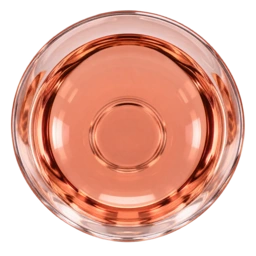
Salmon pink
Pale to medium
Young bottles can range from pale pink to salmon; some are deeper in colour.
Palate
-
Body
Medium
A middle-weight starting point; examples can feel lighter or fuller.
-
Acidity
Medium-high
Freshness is prominent and helps keep the fruit lively.
-
Tannin
Low
Usually subtle; some examples show a firmer, savoury grip.
-
Sweetness
Dry
This representative Brut example tastes dry; perceived dryness can vary.
-
Alcohol
Medium
A moderate impression in the representative style; check the bottle for its ABV.
Texture
Fine, lively bubbles; texture can feel light and airy or broader and more vinous.
Recognisable aromas
In a young bottle
-
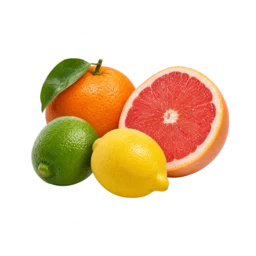 Citrus
-
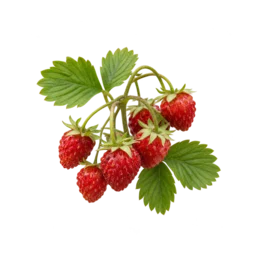 Wild strawberry
-
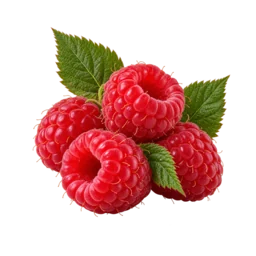 Raspberry
Young bottles can show fresh citrus alongside small red-fruit aromas.
Also: ripe apple and peach
With age
-
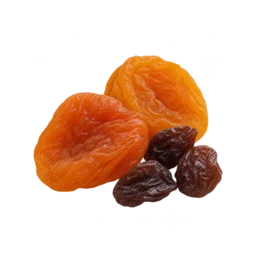 Dried fruit
-
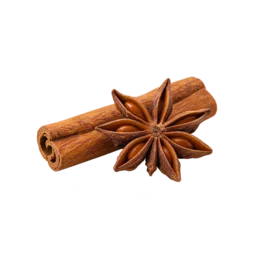 Spice
-
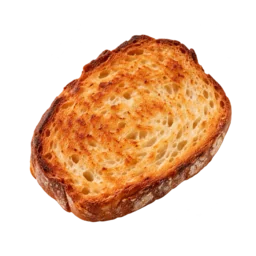 Toast
Some bottles develop dried-fruit, spice and toasty notes with age.
Also: biscuit and pastry
Key Takeaways
- Rosé Champagne gets its colour through blending or maceration.
- Pinot Noir and Meunier are black grapes; Chardonnay is a white grape. Their proportions and roles vary by producer.
- Pink colour does not tell you how sweet the wine is. Check the sweetness category on the label.
- Young bottles often show citrus and red fruit; some gain dried-fruit and toasty notes with age.
- Serve it cool, but give a fuller or older bottle a little more warmth to reveal its aromas.
- Its acidity and bubbles make it versatile with food, from salmon and roast chicken to fried dishes.
Introduction
Rosé Champagne can be delicate and bright, or deeper in colour with more body and savoury depth. For a first bottle, a non-vintage Brut is a practical place to start; look for freshness and a style that suits the food or occasion, and check the sweetness category separately.
For more context on the region’s grapes and styles, see our Champagne guide.
What Is Rosé Champagne?
Rosé Champagne is Champagne with a pink colour. The name combines a style with a protected origin: the wine must come from the Champagne appellation in France to be called Champagne. A pink sparkling wine made elsewhere is sparkling rosé, even if it uses a similar method.
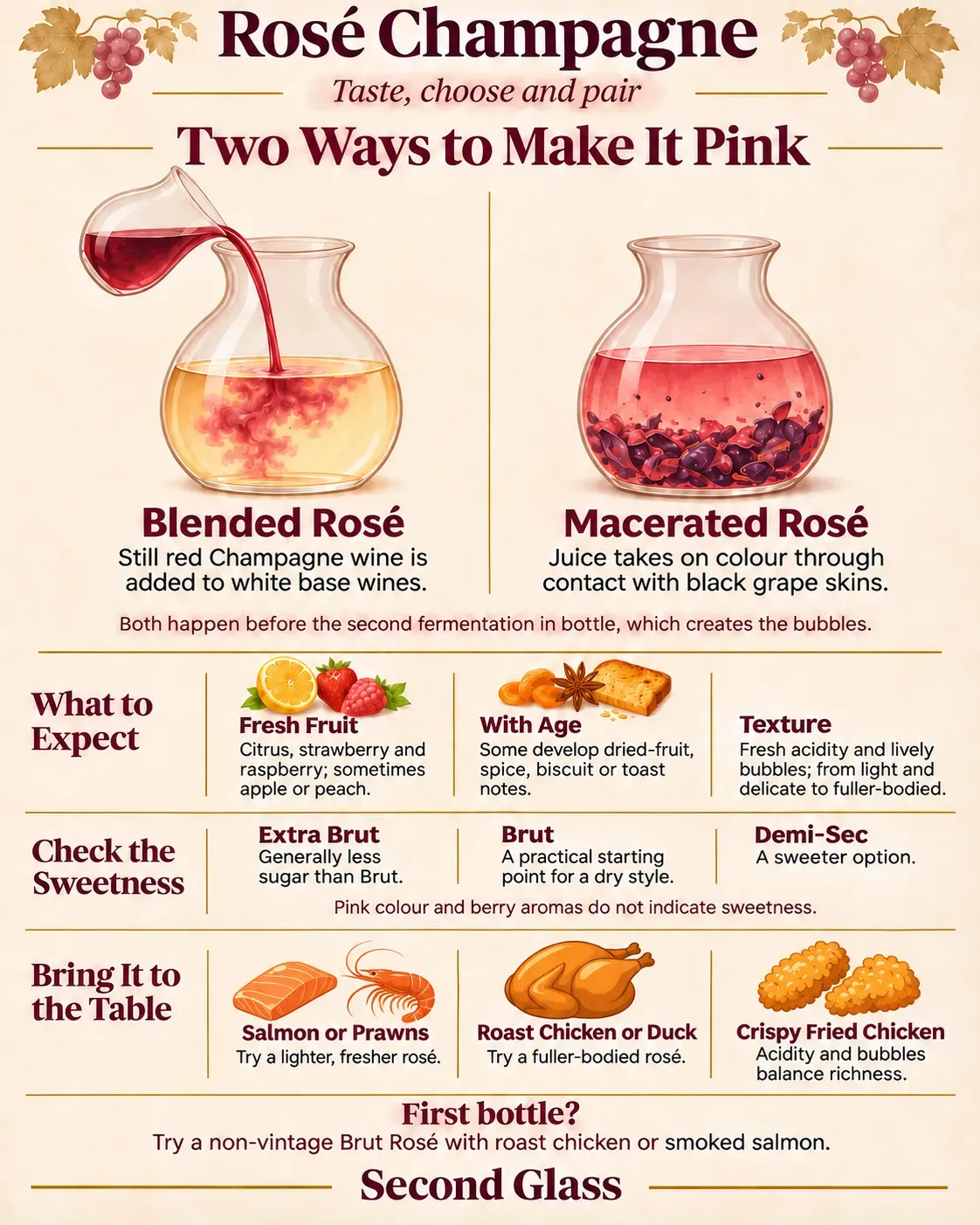
Champagne rosé can be made in two principal ways. Blended rosé is made by adding still red Champagne wine to white base wines before the second fermentation. Macerated rosé gets colour and some flavour from contact between juice and the skins of black grapes. The Champagne region’s official guide describes blended rosés as using around 5–20% red wine, while maceration times and colour vary. Those are explanations of the methods, not a recipe every producer must follow. Champagne rosé: methods and styles
Producers can also blend different grape varieties, vineyard sites or harvest years; rosé does not imply one fixed grape blend or vintage.
Important grapes in Rosé Champagne
-
Pinot Noir
- Style
- A common choice in the base blend or in the still red wine used for blending; its role varies by producer.
- Flavour profile
- May bring red-fruit character; flavour depends on the blend and winemaking.
- Structure
- Can contribute a broader, more vinous feel; some macerated examples gain colour and flavour through skin contact.
- Food pairings
- A Pinot Noir-led rosé can work with roast poultry or richer fish dishes.
-
Pinot Meunier
- Style
- Often included in the blend and may also contribute to the still red wine used for a blended rosé.
- Flavour profile
- May bring generous fruit, though its expression depends on the wine and producer.
- Structure
- Can contribute a rounder impression; it does not have a fixed role in every rosé.
- Food pairings
- A fruit-forward example can suit charcuterie or roast chicken.
-
Chardonnay
- Style
- Frequently included in the base wines, but not required in every rosé.
- Flavour profile
- Citrus or apple notes are possible.
- Structure
- Can contribute freshness and shape to the blend.
- Food pairings
- A fresh, lean rosé can suit salmon, prawns or a simple fish dish.
What Does Rosé Champagne Taste Like?
Young Rosé Champagne often brings together citrus with strawberry, raspberry or other small red-fruit notes. Some bottles also suggest ripe apple or peach. The combination can feel bright and refreshing, while a fuller example may have a rounder texture and more concentrated fruit.
With age, some bottles develop dried-fruit, spice, biscuit or toast notes. These are possible developments, not a promise that every bottle will improve or taste the same.
Fruitiness is not the same as sweetness. A Brut rosé can taste strongly of berries and still be dry. Check the sweetness category on the label.
Why Does It Taste Like This?
The choices that create the colour also affect what you notice in the glass. In a blended rosé, the still red wine can bring colour and red-fruit flavour to the white base wines. In macerated rosé, contact with black grape skins extracts colour and can contribute flavour and structure. More skin contact may produce a deeper hue, though producers’ techniques and the grapes themselves vary.
The second fermentation in bottle creates the bubbles. Subsequent ageing on lees—the yeast cells left after fermentation—can add a more rounded texture and pastry-like notes. Reserve wines and vintage choices can also shape the house style. Comité Champagne on second fermentation
Dosage is a separate decision. It is the final addition used to help balance the wine; the sweetness category on the label describes the finished wine. A pink colour or ripe-fruit aroma does not predict that category. Comité Champagne on dosage
Choosing a Rosé Style
If you prefer a lighter, fresher Champagne, look for descriptions such as “delicate” or “citrus-led”. For a meal or richer food, a bottle described as fuller or more vinous may be a better fit. Producers do not always state how they made the rosé, and colour is not a reliable shortcut to body or flavour, so use the tasting notes and food suggestions on the label or merchant listing.
How To Read the Label
- Champagne: confirms the wine comes from the protected Champagne appellation.
- Rosé: identifies the pink style, not a particular production method or sweetness.
- Brut, Extra Brut or Demi-Sec: indicates a sweetness category. Brut means less than 12 grams of sugar per litre; Extra Brut generally contains less sugar than Brut, while Demi-Sec is sweeter. Comité Champagne’s dosage guide
- Vintage or non-vintage: a vintage Champagne is made from one harvest year; a non-vintage wine can blend wines from different years. Neither term guarantees a particular flavour or quality.
- Grape names: Champagne rosé may use Pinot Noir, Meunier and Chardonnay in varying combinations. The label may not list the proportions.
Look for the sweetness category if you want a dry or sweeter wine. The colour, the word “rosé” and the grapes listed cannot answer that question by themselves.
How to serve Rosé Champagne
Sparkling
Rosé Champagne
8–12°C 46–54°F
Serve a young, lighter example around 8–10°C; fuller, vintage or older bottles can be served around 10–12°C.
Use a tulip-shaped sparkling-wine glass for serving if you have one; it gives the aromas more room than a narrow flute. Chill the bottle in the fridge or an ice bucket with ice and water, and open it carefully. There is usually no need to decant Champagne.
Most non-vintage rosé is ready to drink when bought. Some vintage or prestige cuvées can develop further in a cool, dark place, but bottle age is not automatically an improvement. Production ageing before release and ageing after purchase are different things.
What to eat with Rosé Champagne
Ideal pairings
- Salmon tartare or seared tuna: acidity and bubbles refresh the palate, while fruit can complement the fish’s richness.
- Roast duck with cherry or redcurrant sauce: red-fruit notes can echo the sauce, and freshness helps balance the meat’s richness.
- Roast chicken with herbs: a fuller rosé can stand up to crisp skin and savoury seasoning.
Everyday pairings
- Crispy fried chicken: bubbles and acidity cut through the crunchy coating and juicy meat.
- Charcuterie and hard cheese: a dry, fruit-forward rosé can balance salty, savoury flavours.
- Prawns or smoked salmon on toast: a lighter, fresher bottle suits simple seafood and buttery bread.
Pairings to approach carefully
Brut rosé can taste sharper beside very sweet glazes or chilli-heavy dishes. Keep spice moderate and choose a fruitier bottle, or consider a sweeter Champagne with a sweet dish.
Other sparkling wines to explore
| Shared thread | How it differs | |
|---|---|---|
| Blanc de Noirs ChampagneChampagne, France | Like rosé, it is made from black grapes and can show red-fruit notes. | It is white Champagne, made exclusively from black grapes. |
| Blanc de Blancs ChampagneChampagne, France | It is Champagne made using the traditional bottle-fermentation method. | It is made only from white grapes and offers a contrast to rosé’s colour and style. |
| Crémant RoséFrench regions outside Champagne | It is French sparkling rosé and can use the traditional method. | It comes from another appellation, with different regional rules and grape choices. |
| English sparkling roséEngland | It is pink sparkling wine that can be made by the traditional method. | Its grapes, climate and origin differ from Champagne. |
Buying Guide
Indicative 750 ml retail ranges checked on 9 November 2026; prices vary by retailer, offers and location. UK and US ranges are based on listings in their respective markets, not currency conversions.
Budget(£25–£40 / $40–$60)
At this level, look for non-vintage Brut Rosé from a merchant or supermarket with clear information about the wine’s style and sweetness. Expect an approachable, ready-to-drink bottle for an aperitif or casual celebration. Current UK listings include rosé Champagne from about £26, while US listings include 750 ml bottles around $50.
Mid-Range (£40–£80 / $60–$120)
This range gives you more choice among producer styles, including bottles with greater depth or a more distinctive expression. Read the label and merchant description for Brut or another sweetness category, and choose based on the food or occasion rather than assuming that a higher price guarantees a better fit. UK listings span this range, as do US retailer listings for rosé Champagne.
Premium (£80+ / $120+)
Premium bottles may offer a vintage, a prestige cuvée, longer ageing or a producer’s more distinctive expression. Spend more when you want to explore those differences or serve the wine with a meal; it is not necessary for an enjoyable first bottle. Compare the producer’s notes and the wine’s sweetness category, and consider whether you plan to drink it now or cellar it.
Start with a dry Rosé Champagne
Begin with a non-vintage Brut Rosé Champagne for a dry reference point. Notice whether you prefer a lighter, fresher expression or a fuller one.
Try it side by side
- Step 1 — Choose a non-vintage Brut Rosé Champagne and a non-vintage Brut Champagne without rosé, at a similar price and age if possible.
- Step 2 — Serve both at the same temperature in the same tulip-shaped glasses.
- Step 3 — Smell each, then compare the fruit, texture and finish. Notice whether the rosé seems more berry-led or fuller.
- Step 4 — Taste both with the same small dish, such as smoked salmon or roast chicken, and see whether the food changes your preference.
This compares two bottles; it does not isolate colour or one grape. Producer, blend, base wines and ageing can all differ.
Common Misconceptions
Pink Champagne is sweet
Colour does not set sweetness. Check the sweetness category on the label.
Rosé Champagne is only for aperitifs
Its acidity and bubbles can also suit a meal, particularly with seafood, poultry or fried dishes.
A darker rosé is automatically better
Colour can reflect production choices and age; it is not a quality score.
Questions about Rosé Champagne
Is Rosé Champagne always made by blending red and white wine?
No. Producers can blend still red Champagne wine into white base wines, or use maceration with black grape skins. Both are recognised methods.
Is Rosé Champagne sweet?
Not necessarily. Many bottles are Brut and taste dry. The label’s sweetness category is the useful guide, not the pink colour or fruit aromas.
What grapes are in Rosé Champagne?
The main grapes are Pinot Noir, Meunier and Chardonnay, used in varying combinations. Some producers rely more heavily on one grape, and the blend differs by cuvée.
Can Rosé Champagne be vintage?
Yes. As with other Champagne, it can be vintage or non-vintage. Vintage means the wine is made from one harvest year; it does not by itself guarantee a particular flavour or quality.
How should I store Rosé Champagne after opening?
Seal the bottle straight away with an airtight stopper made for sparkling wine and keep it in the fridge. The Comité Champagne recommends drinking it within one or two days.
Is Rosé Champagne the same as sparkling rosé?
No. Champagne is a protected appellation for wine from the Champagne region of France. Rosé sparkling wines made elsewhere may use similar methods, but they are not Champagne.
What is maceration in Rosé Champagne?
Maceration means letting grape juice remain in contact with black grape skins. The skins release colour and can contribute flavour and structure. The producer controls the contact time to achieve the intended style; the second fermentation that creates the bubbles happens later.
What is blending in Rosé Champagne?
For blended rosé, the producer adds still red Champagne wine to white base wines before the second fermentation. This creates the pink colour and can contribute red-fruit flavour. It is different from blending grape varieties, vineyard sites or harvest years, which can also happen in Champagne production.
Is blended or macerated Rosé Champagne better?
Neither method is inherently better. Both can produce excellent Champagne in different styles. Macerated examples can have more pronounced fruit or a firmer feel, but the method alone does not guarantee taste or quality. Choose using the producer’s tasting notes, sweetness category and the food you plan to serve.
Final Thoughts
Choose Rosé Champagne by its sweetness category, the style you enjoy and what you plan to serve. Start with a non-vintage Brut, then compare a different producer or expression to find your preference.