Quick answer
What to know first
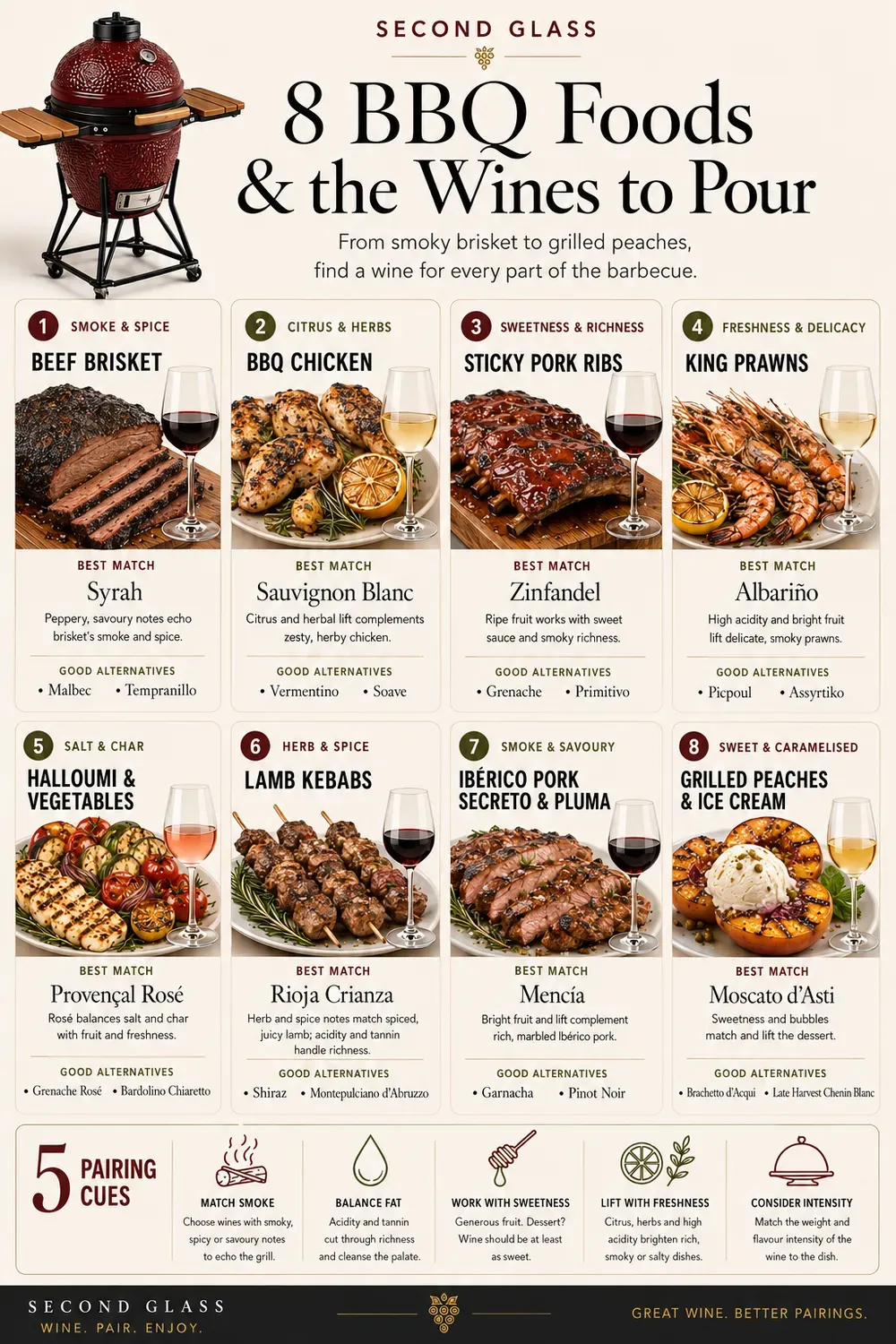
The easiest way to pair wine with BBQ is to match the food’s character with the wine’s structure. Smoke → Syrah or Rioja; Lemon & herbs → Sauvignon Blanc or Albariño; Sweet BBQ → Zinfandel or Primitivo; Seafood & veg → crisp white or rosé; Dessert → lightly sweet wine
Introduction
A great barbecue is about far more than burgers and sausages. It’s the smell of smoke drifting across the garden, the sizzle of fat hitting hot coals, the first bite of something charred at the edges and juicy in the middle. Modern BBQs bring together slow-cooked meats, fresh seafood, vibrant vegetables, bold marinades and even grilled desserts, each with its own personality on the plate. That variety makes wine pairing both more exciting and a little more playful.
But you don’t need to memorise rules or learn complicated wine language to get it right. Instead, think in simple ideas: smoke, fat, sweetness, freshness and intensity. These five elements shape almost every BBQ dish—and once you start recognising how they interact with wine, pairing becomes instinctive rather than technical.
Rather than searching for one bottle to suit everything on the grill, it’s better to think in terms of matching individual dishes with wines that fit their mood. Smoky flavours love savoury reds, fresh seafood often pairs well with crisp whites, and sticky barbecue sauces are happiest with wines that have plenty of ripe, generous fruit.
This guide explores eight delicious BBQ dishes and the wines that bring them to life. Whether you're planning a relaxed family cookout or a long, lazy summer feast, these pairings are designed to keep glasses full and guests smiling.
Key Takeaways
- BBQ wine pairing is about smoke, fat, sweetness, freshness and intensity
- Match wine to the dominant flavour of the dish, not the cooking method alone
- Syrah and smoky meats are a natural match due to peppery, savoury notes
- Sauvignon Blanc and Albariño are ideal for fresh, citrus-driven BBQ dishes
- Zinfandel and Grenache work best with sticky, sweet barbecue sauces
- Dry rosé is the most versatile BBQ wine, especially for mixed grills
- High acidity = freshness, especially for seafood and vegetables
- Sweetness in wine should match or exceed dessert sweetness
- The best BBQ wine selection is usually a small, flexible set of bottles, not one “perfect” wine
How to approach BBQ food and wine pairings
Dominant strategy
Match the wine's structure and intensity to the dominant characteristics of each BBQ dish, using either complementary flavours or refreshing contrast.
Supporting principles
- Savoury and peppery wines can echo smoke and char.
- Fat softens the perception of tannins.
- Sweet barbecue sauces favour ripe, fruit-forward wines.
- Fresh seafood, chicken and vegetables benefit from lively acidity.
- Wine and food should have broadly comparable intensity.
- Dessert wine should generally be at least as sweet as the dessert.
Pairing 1 — Dry-Rubbed Beef Brisket & Syrah
When smoke meets spice, wine can echo the barbecue or stand in contrast to it
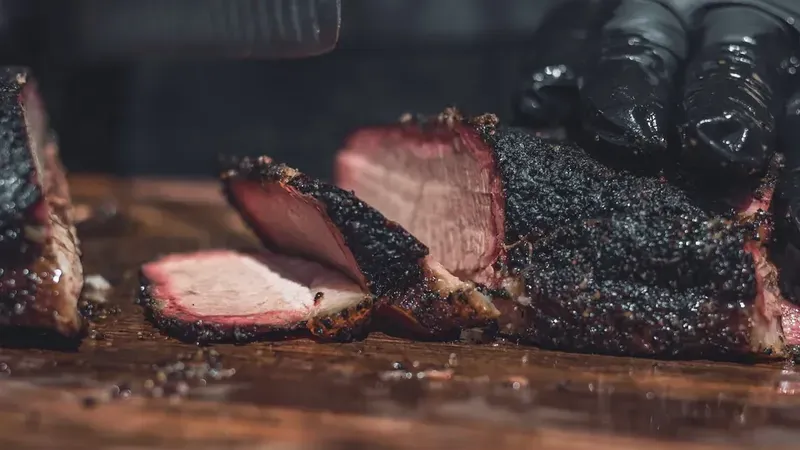
Brisket is all about transformation: tough cut, long smoke, deep flavour. The magic happens in the bark—that crust of pepper, spice and char that defines every slice.
Syrah is a remarkably versatile fine-wine grape, capable of both elegance and power depending on its origin. Here, its black pepper, dark fruit and savoury character can echo the brisket’s smoky spice, or provide a darker, more structured counterpoint if you prefer contrast.
In either case, Syrah feels naturally at home with smoked meat, offering depth without losing finesse.
Why Syrah over Cabernet Sauvignon
Cabernet brings structure, but Syrah often feels more naturally aligned with smoke and spice. Its peppery, savoury profile tends to sit more comfortably alongside barbecue flavours.
Other wines to try
- Malbec – soft, juicy fruit that smooths smoky edges and highlights caramelised crust
- GSM blends – layered smoke, spice and fruit complexity
- Tempranillo – savoury depth with gentle oak influence
- Mourvèdre – earthy, meaty character for long-smoked dishes
Pairing 2 — BBQ Chicken with Lemon & Herbs & Sauvignon Blanc
Think of Sauvignon Blanc as an extra squeeze of lemon at the table
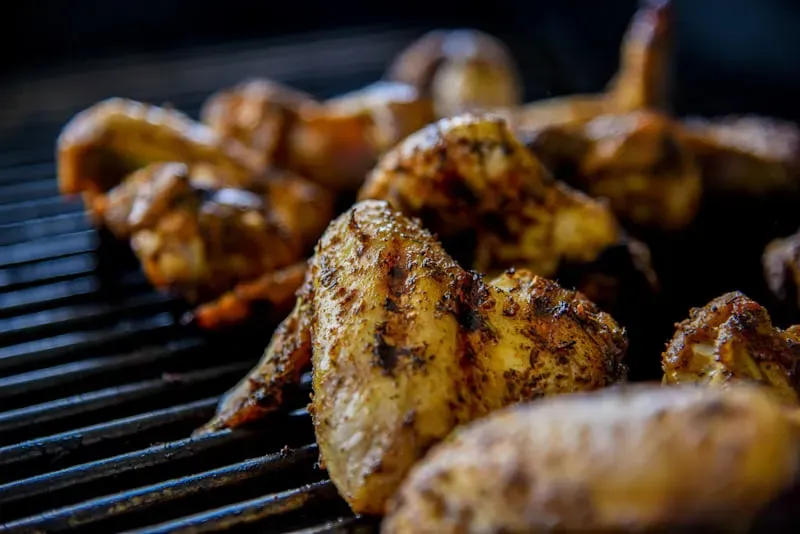
This dish is all about brightness—lemon zest, fresh herbs and lightly charred chicken skin. It’s light, fresh and lifted.
Sauvignon Blanc doesn’t just match it; it sharpens it. Its citrus and green herbal notes act like a final seasoning, keeping every bite clean and zesty.
Why not oaked Chardonnay?
Oak can add richness and softness to Chardonnay, often making the wine feel rounder and fuller. In a BBQ context, that extra weight can mute the lemon and herbs. Sauvignon Blanc keeps everything crisp, bright and refreshing.
Other wines to try
- Vermentino – citrus and herbs that echo rosemary and thyme
- Albariño – juicy stone fruit with a fresh, seaside feel
- Unoaked Chardonnay – clean, simple fruit expression
- Soave – light floral notes that support herbs without overpowering
Pairing 3 — Sticky BBQ Pork Ribs & Zinfandel
When the sauce is bold, the wine should be just as generous
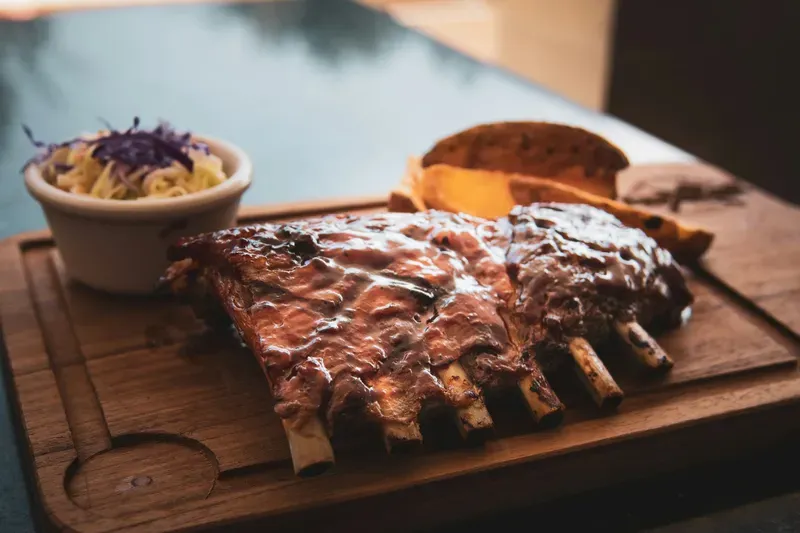
Ribs are sticky, smoky and messy in the best way—sweet glaze, charred edges and rich pork fat.
Zinfandel matches that energy. Its ripe blackberry and plum flavours feel like an extension of the barbecue sauce, creating a seamless sweet-smoky experience.
Why fruit-forward reds work so well
Sweet barbecue sauces can make a very tannic wine feel more angular and less fruit-driven. Juicy, ripe wines like Zinfandel keep everything smooth and balanced.
Other wines to try
- Primitivo – similar ripe fruit profile
- Grenache – soft red fruit and easy texture
- Shiraz – adds spice that echoes charred edges
- Carignan – bright acidity to cut through richness
Pairing 4 — Chargrilled King Prawns & Albariño
Seafood wants a wine that feels like citrus, freshness and a hint of sea breeze
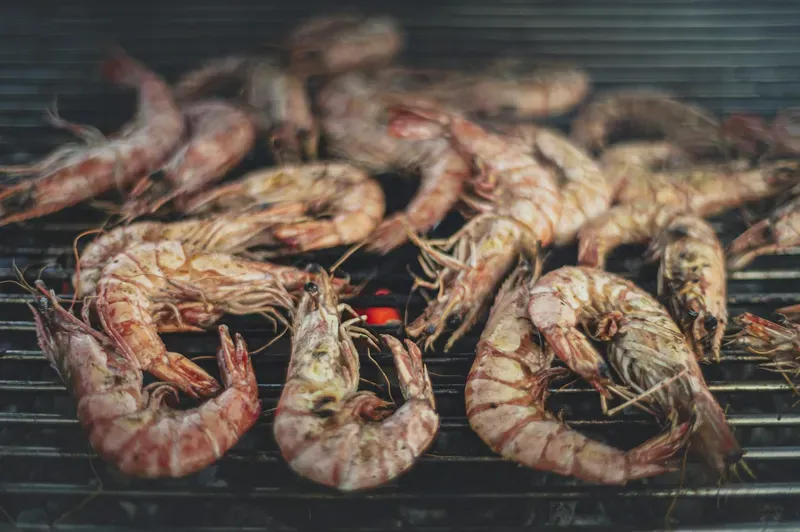
Prawns off the grill are sweet, delicate and lightly smoky.
Albariño feels naturally suited to them—citrus, stone fruit and a fresh, seaside feel that lifts seafood rather than covering it. It refreshes the palate like a squeeze of lemon over hot prawns.
A note on red wine with seafood
Very delicate shellfish can be easily overwhelmed by strongly structured wines, so lighter, fresher styles tend to work best. Albariño simply offers the most natural harmony here.
Other wines to try
- Picpoul de Pinet – sharp citrus that enhances seafood sweetness
- Muscadet – clean, slightly saline character for shellfish
- Assyrtiko – crisp and mineral, ideal with charred seafood
- Vermentino – herbal lift for garlic or chilli prawns
Pairing 5 — Halloumi & Mediterranean Vegetables & Provençal Rosé
A BBQ plate that tastes like sunshine needs balance, not weight
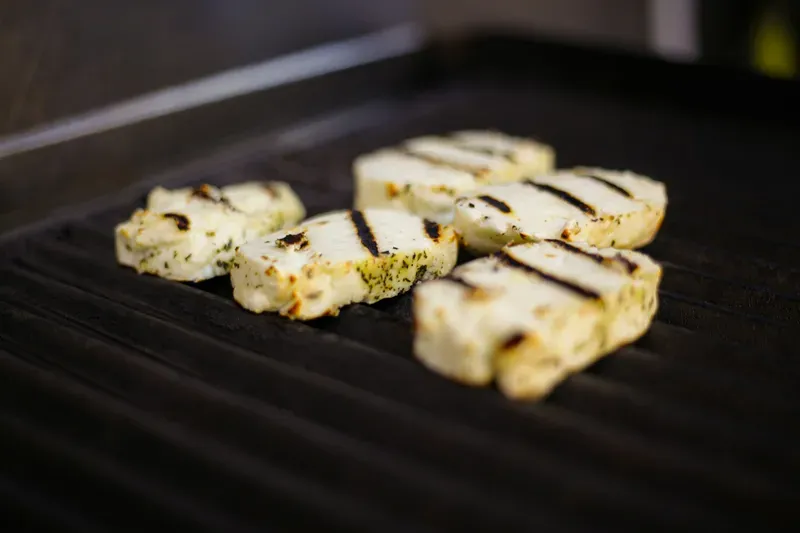
Grilled halloumi, peppers, courgettes and aubergine bring salt, smoke and sweetness together.
Dry rosé ties it all together. It has enough fruit to support the vegetables, enough acidity to keep things fresh, and just enough structure to stand up to salty cheese.
Why rosé works so well
A very powerful red can overwhelm delicate vegetables, while rosé sits comfortably in the middle, making it one of the most versatile BBQ wines.
Other wines to try
- Cinsault Rosé – delicate fruit and freshness
- Grenache Rosé – slightly fuller, good with halloumi
- Pinot Noir Rosé – subtle structure for charred vegetables
- Bardolino Chiaretto – crisp Italian style with bright acidity
Pairing 6 — BBQ Lamb Kebabs & Rioja Crianza
Herbs, smoke and gentle oak find their rhythm together
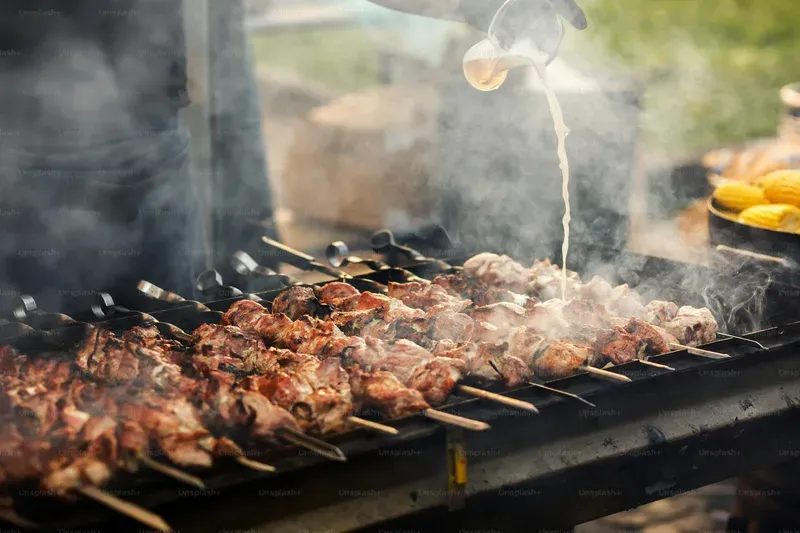
Lamb kebabs are bold and aromatic—garlic, rosemary, cumin and char.
Rioja Crianza brings red fruit, gentle oak and soft spice. In Rioja, Crianza is a regulated ageing category that requires a minimum period of ageing before release, including time in oak, which helps develop its balance of fruit and savoury complexity.
Why not lighter wines?
Lamb has enough intensity and spice to overwhelm very light styles, so a wine with structure and savoury depth works best.
Other wines to try
- Sangiovese – bright cherry acidity cuts through fat
- Mencía – fresh, floral and red-fruited with savoury edge
- Cabernet Franc – herbal notes echo rosemary and garlic
- Côtes du Rhône – balanced fruit and spice
Pairing 7 — Iberico Pork Secreto & Pluma with Mencía
The secret here is balance: freshness meeting richness
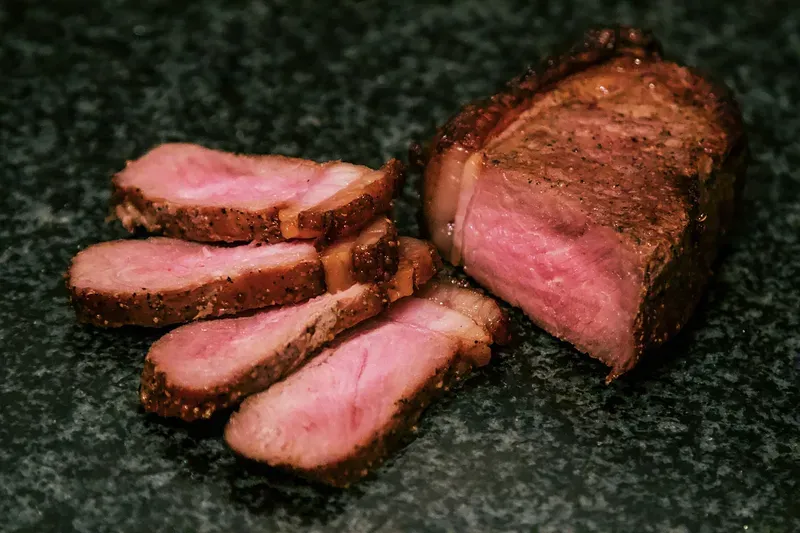
Iberico pork is rich, deeply savoury and beautifully marbled when grilled.
Mencía is a medium-bodied red with bright cherry fruit, floral lift and fresh acidity. It frames the pork rather than overwhelming it, allowing the meat’s texture and flavour to stay at the centre of the experience.
Why not Cabernet Sauvignon?
Cabernet Sauvignon can work with rich pork, but its structure and intensity may overshadow the delicacy of Iberico cuts. Mencía offers a fresher, more transparent expression that keeps balance on the food.
Other wines to try
- Rioja Crianza – gentle oak and savoury depth
- Garnacha – soft fruit and easy texture
- Bobal – earthy, rustic character
- Pinot Noir – silky and subtle
- Godello – fresh white option for contrast
Pairing 8 — Chargrilled Peaches with Vanilla Ice Cream & Moscato d’Asti
Dessert wine should feel like part of the dessert
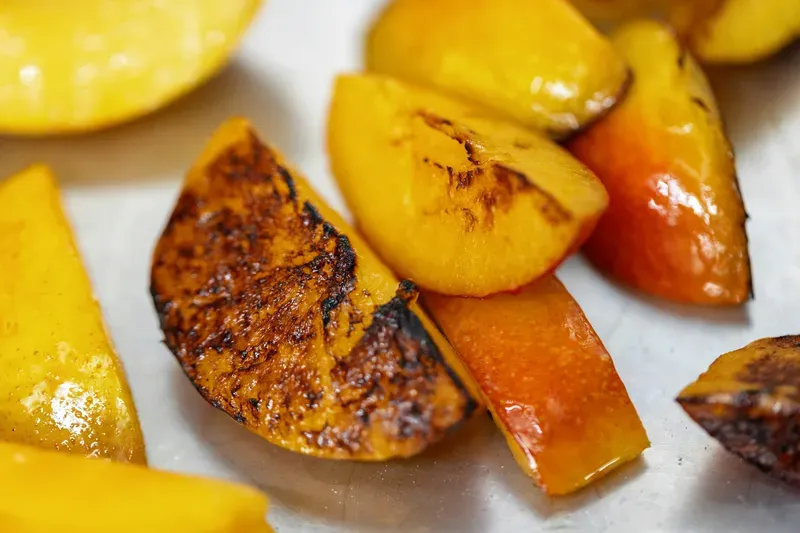
Grilled peaches become soft, caramelised and intensely fruity.
Moscato d’Asti is lightly sweet, gently sparkling and full of fresh grape, peach, orange blossom and citrus notes with a soft floral lift. It feels like an extension of the dessert rather than a separate drink.
Why balance matters in dessert pairings
A useful rule of thumb is that wine should generally be at least as sweet as the dessert it accompanies. Otherwise, it can taste thin or overly sharp.
Other wines to try
- Brachetto d’Acqui – strawberry and gentle sparkle
- Late Harvest Chenin Blanc – honeyed stone fruit richness
- Sauternes – apricot, honeyed citrus and spice
- Pedro Ximénez – raisin-like sweetness
- Sparkling Rosé Demi-Sec – fresh and lightly sweet
Best grapes for BBQ food and wine pairings
| Grape | Best with | Why it works | Flavour match |
|---|---|---|---|
| Syrah | Dry-rubbed beef brisket and smoky red meat. | Its pepper, dark fruit and savoury character make it particularly effective with smoke, char and rich meat. | Black pepper, dark fruit, spice and savoury notes. |
| Sauvignon Blanc | BBQ chicken with lemon and herbs. | High acidity and citrus-herbal flavours make it a natural partner for lighter BBQ dishes seasoned with lemon and herbs. | Citrus, herbs and freshness. |
| Zinfandel | Sticky BBQ pork ribs. | Generous ripe fruit and spice suit sweet, smoky barbecue sauces and rich pork. | Blackberry, plum, spice and sweet smoke. |
| Albariño | Chargrilled king prawns and seafood. | Fresh acidity and citrus-led fruit complement grilled seafood without overwhelming delicate flavours. | Citrus, stone fruit and freshness. |
| Grenache | Halloumi, Mediterranean vegetables and mixed grilled meats. | Soft tannins and generous red fruit make Grenache versatile across grilled vegetables, pork and moderately rich meats. | Red berries, herbs and gentle spice. |
| Mencía | Iberico pork secreto and pluma. | Fresh acidity, moderate body and aromatic red fruit provide an elegant alternative for richly flavoured grilled meats. | Cherry, flowers and savoury freshness. |
| Muscat | Chargrilled peaches with vanilla ice cream. | Its naturally aromatic, peachy and floral profile is particularly suited to fruit-based desserts when made in a sweet style. | Peach, grape, citrus and orange blossom. |
Building the Perfect BBQ Wine Selection
The 3-bottle essentials
- Crisp white (Sauvignon Blanc or Albariño)
- Versatile red (Grenache or Pinot Noir)
- Dry rosé (the all-rounder)
Serving dessert? Add Moscato d’Asti as a fourth bottle.
This simple addition ensures you have a perfect match for grilled peaches with ice cream or any other sweet BBQ finish, without complicating the core selection.
The 5-bottle full BBQ spread
- Crisp white (seafood, chicken)
- Dry rosé (vegetables, halloumi)
- Juicy red (Grenache or Pinot Noir)
- Fuller red (Syrah or Zinfandel)
- Lightly sweet wine (desserts)
Serving Tips for BBQ Wine
- Chill whites and rosé well before serving
- Lightly chill reds in hot weather if desired
- Keep bottles cool outdoors in an ice bucket
- Decant fuller reds if they seem tight or closed
- Avoid over-chilling whites so aromas can open
The easiest way to choose BBQ wine
Start by identifying the strongest feature of the food: smoke, fat, sweetness, freshness or intensity. Match rich, smoky meat with a structured or savoury red; choose crisp, high-acid wine for seafood, chicken and vegetables; and favour generous fruit when barbecue sauce is sweet. If you want one versatile bottle for a mixed spread, dry rosé is a useful all-rounder. For individual dishes, the eight featured matches provide a simple starting point.
Common Misconceptions
You only need red wine for BBQ
In reality, whites and rosé are often the best matches for seafood, chicken and vegetables.
Big, bold wines always work with grilled food
Overly powerful wines can overwhelm delicate flavours like prawns, halloumi or herbs.
Sweet BBQ sauce needs a dry wine to balance it
Dry, tannic wines can taste harsher with sweetness—fruit-forward wines usually work better.
Rosé is too light for BBQ
Dry rosé is one of the most versatile BBQ styles, especially for mixed grills.
All smoky food needs the same wine
Smoke interacts differently with beef, pork, chicken and vegetables—intensity matters.
Expensive wine always means better pairing
Balance matters more than price; a simple Albariño can outperform a complex white Burgundy with prawns.
Questions about BBQ Wine Pairing
What is the best all-round wine for a BBQ?
Dry rosé is one of the most versatile choices for a mixed barbecue. Its acidity keeps seafood and vegetables fresh, while its fruit and modest structure can handle halloumi, chicken, pork and lighter grilled meats.
Which red wine is best for BBQ food?
It depends on the dish. Syrah is excellent with smoky beef, Zinfandel suits sticky pork ribs, and Grenache is a versatile choice when several grilled meats are being served together.
What white wine works best at a BBQ?
Sauvignon Blanc and Albariño are particularly useful. Sauvignon Blanc works well with lemon, herbs and chicken, while Albariño's freshness makes it an excellent match for prawns and other grilled seafood.
Can rosé pair with BBQ food?
Yes. Dry rosé is particularly versatile because it combines the freshness associated with white wine with enough fruit and structure for many grilled foods. It is especially good with halloumi, vegetables, chicken and lighter meats.
What wine goes with sweet BBQ sauce?
Choose a ripe, fruit-forward wine such as Zinfandel, Primitivo or Grenache. Sweet sauces can make very dry, tannic reds seem more angular, while generous fruit creates a more balanced pairing.
Should red wine be chilled for a BBQ?
A slight chill can make many reds more refreshing when drinking outdoors in warm weather. Grenache, Pinot Noir and Mencía are particularly suitable, while fuller reds should be kept cool enough that heat does not make the alcohol feel dominant.
What wine goes with grilled seafood?
Fresh, high-acid whites are usually the easiest choice. Albariño is particularly good with chargrilled prawns because its citrus and stone-fruit character complements sweet shellfish while its acidity keeps the pairing lively.
What wine should I serve with a BBQ dessert?
Choose a wine that is at least as sweet as the dessert. Moscato d'Asti works particularly well with grilled peaches because its peach, citrus and floral flavours mirror the fruit while its gentle sparkle provides freshness.
Final Thoughts
The best BBQ pairings aren’t about strict rules—they’re about recognising patterns. Smoke, sweetness, salt, fat and freshness all behave differently in the glass, and once you start noticing how wine responds, pairing becomes instinctive.
Successful pairings can come from echoing flavours or from contrast that creates balance. Both approaches have their place, and the most memorable matches often sit somewhere in between.
When wine and food interact in a way that feels balanced—whether through harmony or contrast—the barbecue becomes more than just a meal. It becomes an experience.